
Valencia
Valencia is often called Spain's laid-back answer to Madrid and Barcelona. Beach, culture and a young, growing queer scene come together here without the city making a big show of it. If you like things authentic and low-key, you will feel at home. It is manageable, affordable and easy to find your way around.
Gay scene
The heart of the queer scene is Ruzafa, a former working-class neighborhood south of the train station. Queer cafés, small shops, rooftop bars and venues with drag shows line its streets. By day the area is good for strolling, and in the evening the terraces and bars fill up quickly. Since much of it is close together, you can easily plan a night out on foot.
Nightlife
Nightlife in Valencia starts slowly and often runs until morning. A good place to begin is the disco bar The Muse, before moving on to Deseo 54, which keeps going late into the night. At Picadilly, drag queens, students and disco fans share one dance floor, while Latex appeals more to an electronic music crowd. The bear bar Bubu rounds things off. The scene is smaller than in Spain's big cities, but it is more personal.
Beaches
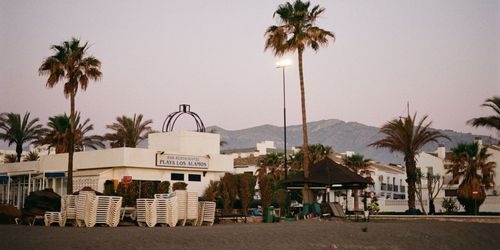
Valencia's gay beach is Platja de l'Arbre del Gos, about eight kilometers south of the center between Pinedo and El Saler. Behind the dunes there is a queer section, and the rest is a clean Blue Flag beach. Getting there by bus or bike is easy, and the wide sandy beach has enough space even in high season. If you prefer more action, stay closer to Las Arenas beach by the port, with its beach bars and restaurants.
When to go
Valencia is most pleasant from May to September, when you can easily combine beach days and sightseeing. High summer gets hot, but the sea breeze keeps it bearable. A fixed date in the calendar is Valencia Pride on the last weekend of June, organized by Colectiu Lambda and one of the most popular in the country. To avoid the heat and the peak season, come in spring or early fall.
Getting there
Valencia Airport lies only about eight kilometers west of the city. Flights from London take about two and a half hours, and from New York about nine. From the terminal, the metro takes you to the center in just over twenty minutes. If you are already in Spain, the AVE high-speed train from Madrid gets you here in about two hours. Once there, most sights and scene spots can be reached on foot, by bike or by metro. US and UK citizens can visit Spain without a visa for up to 90 days in any 180-day period under the Schengen rules; passports are now registered in the EU Entry/Exit System (EES), while ETIAS is not yet required, so check the current rules before you travel.
Sights
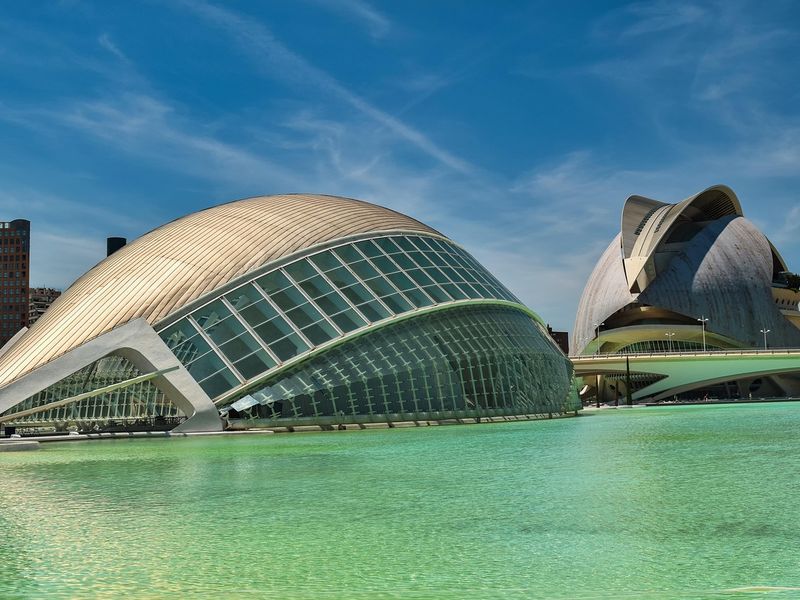
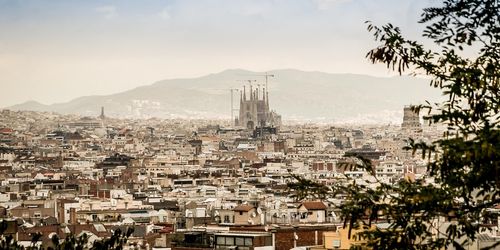
By day, the futuristic City of Arts and Sciences by architect Santiago Calatrava, with its oceanarium, planetarium and science museum, is well worth a visit. In the old town you will find the cathedral and the magnificent Central Market, one of the largest fresh food markets in Europe. Running right through the city is the green Turia park in the former riverbed, stretching from the old town to the modern districts and perfect for a walk or a bike ride.
Safety and LGBTQ+ rights
When it comes to the rights of queer people, Spain is one of the most progressive countries in the world. Same-sex marriage and adoption have been possible for years, and discrimination is prohibited by law. Valencia is considered open and safe, and holding hands in public is no problem in the center and in Ruzafa. As anywhere, the usual awareness is a good idea in quieter corners at night.
What you cannot miss
Safety & legal situation
Hotels around Valencia
Tap the map for prices and availability.
Best time to visit · year overview
Frequently asked questions about Gay Valencia
- Flight time
- about 2.5 h from London, 9 h from New York
- Best time to visit
- May – Sep
- Languages
- ES / EN
- Visa
- No visa for UK or US citizens for up to 90 days in any 180 (Schengen); passports are registered in the EU Entry/Exit System (EES), ETIAS is not yet required.
You might also like

Last reviewed: October 30, 2026