Sehenswürdigkeiten in Valencia
The key addresses in Valencia — verified and regularly updated. Clicking takes you straight to the location page.
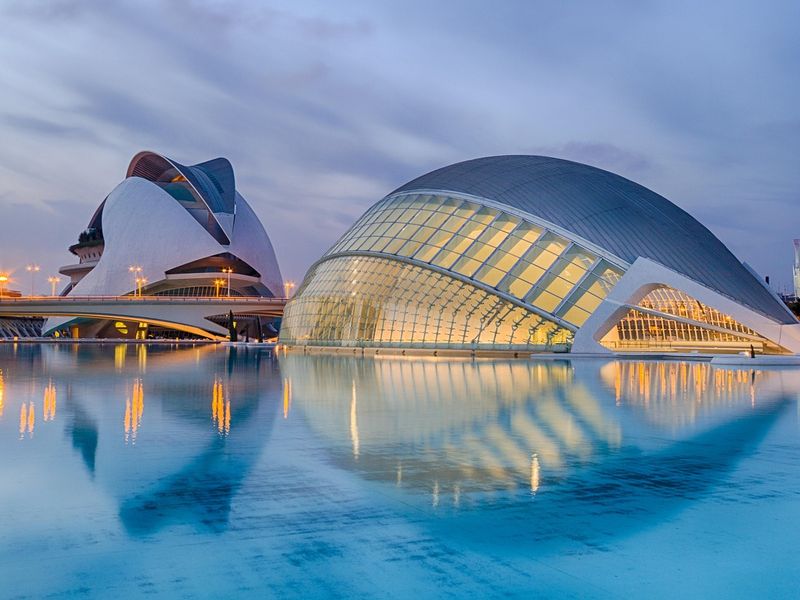
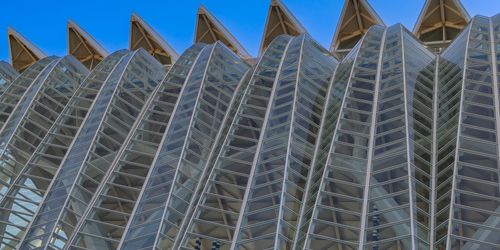
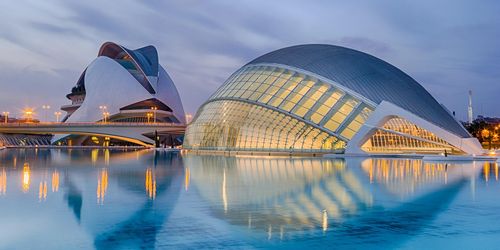
Ciudad de las Artes y las Ciencias (Stadt der Künste und Wissenschaften)
The futuristic City of Arts and Sciences by star architect Santiago Calatrava is Valencia's most spectacular landmark and is home to the largest aquarium in Europe, an IMAX cinema and an opera house, among other things. You should definitely take your time to walk through the white architectural ensemble in the former riverbed of the Turia.
Kathedrale von Valencia mit Miguelete-Turm
The Gothic Cathedral of Valencia is perched between the Plaza de la Reina and the Plaza de la Virgen and houses a chalice that is considered the legendary Holy Grail. Climb the 207 steps of the Miguelete bell tower and you'll be rewarded with a magnificent panoramic view of the old town.
La Lonja de la Seda (Seidenbörse)
The Lonja de la Seda, opposite the Central Market, is a UNESCO World Heritage Site and is considered one of the most important buildings of late Gothic secular architecture in Europe. In the Hall of Columns with its twisted columns, you can still imagine the splendour with which Valencia flourished as a trading metropolis in the 15th century.
Mercado Central (Zentralmarkt)
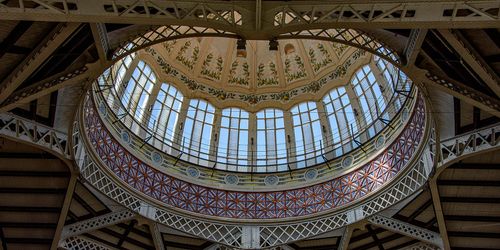
The Mercado Central is one of the largest and most beautiful market halls in Europe and a magnificent example of Valencian Art Nouveau with glass domes and colorful ceramic tiles. Stroll between the almost 1,000 stalls and taste your way through fresh fruits, hams and regional specialties.
Schwule Sehenswürdigkeiten im engeren Sinn gibt es in Valencia weniger als gewachsene Orte, an denen queeres Leben sichtbar ist. Der wichtigste davon ist das Viertel Ruzafa, das sich in den letzten zwei Jahrzehnten zum Zentrum der Szene entwickelt hat und heute mit Cafés, Galerien, Buchläden und Bars ebenso für seine Kultur wie für sein Nachtleben steht. Am besten zeigt dir ein Bummel durch die Straßen rund um den Mercado de Ruzafa das Viertel, tagsüber ruhig und kreativ, abends lebendig.
Über die Szene hinaus lohnt sich Valencia für seine Mischung aus Geschichte und moderner Architektur. Die Altstadt mit Kathedrale, der gotischen Seidenbörse Lonja de la Seda als UNESCO-Welterbe und den engen Gassen des Barrio del Carmen steht der futuristischen Stadt der Künste und Wissenschaften gegenüber, dem weißen Gebäudeensemble des Architekten Santiago Calatrava. Dazwischen zieht sich der begrünte Turia-Park durch die ganze Stadt, ideal zum Radfahren oder Spazieren. Der wichtigste queere Termin des Jahres ist die Valencia Pride Ende Juni, die 2026 mit den Gay Games XII zusammenfällt: Vom 27. Juni bis 4. Juli treten dort rund 9.000 Teilnehmende in vielen Disziplinen an, begleitet von einem großen Kultur- und Partyprogramm. Wer Valencia nicht nur als Strandziel kennenlernen will, findet hier viele Anknüpfungspunkte. Die folgenden Orte führen dich zu den wichtigsten Stationen.