
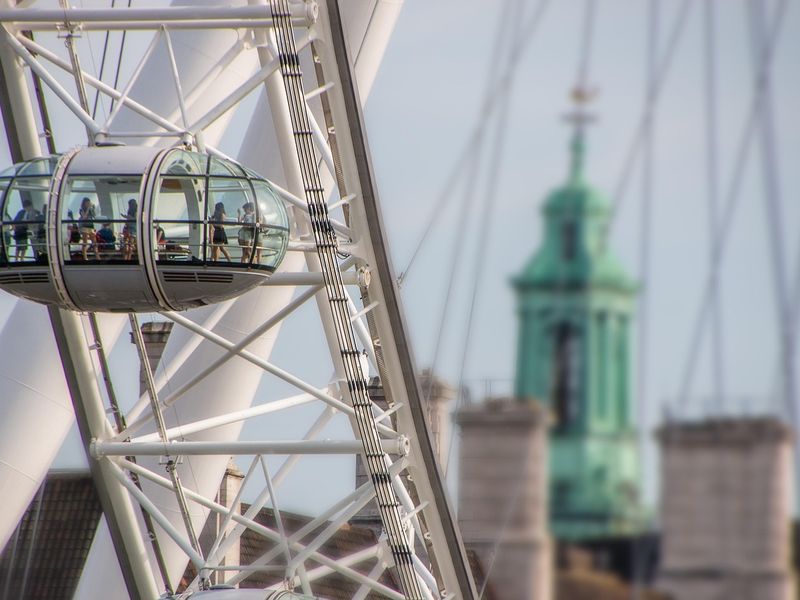
London
Among the largest and most diverse queer metropolises in Europe, London is at the forefront. The scene is spread over several districts, each with its own character, and it ranges from the tourist hustle and bustle in the center to alternative collectives in the east. The city also has a lot to offer culturally: queer plays in the West End, a dense festival program and exhibitions with LGBTQ references. It rarely gets boring. If you come here for the first time, you will find friends here in almost every respect.
Trendy district
Around Old Compton Street is Soho, the classic starting point. Bars, cafés and clubs are lined up here in a small space, and the district has been considered the heart of the gay scene for decades. South of the Thames, Vauxhall has established itself as a second centre, especially for clubbers and long nights. East London feels completely different: around Dalston and Hackney, you will find an alternative, queer-feminist scene with collectives, drag nights and more experimental formats. Between these poles there are countless smaller meeting places, so there is a lot to discover away from the well-known addresses.
Nightlife
The nightlife is broadly based, it covers almost every taste. In Soho, classic bars and smaller clubs dominate, while the big dance temples and dancing nights tend to take place in Vauxhall. The Royal Vauxhall Tavern, a traditional stage for cabaret, drag and performance, remains a household name. Because many things go unannounced in the east and often change locations, it's worth taking a look at the current event calendar in advance before you set off. If you start the evening earlier, you will also find many pubs around Soho, where the pre-glow is just as much a part of it as the later visit to the club.
Best time to visit
From May to September, London is at its most pleasant, with mild temperatures and long evenings. The highlight in the queer calendar is Pride in London, which usually takes place at the beginning of July and is one of the largest parades on the continent. In spring or early autumn, those who like it quieter travel when there are fewer tourists on the road and accommodation is often cheaper. It can rain all year round, so a jacket is worth it regardless of the season.
Arrival
From Germany, London can be easily reached by plane; several airports serve the city, including Heathrow, Gatwick and Stansted. From the mainland, the Eurostar also runs via Brussels or Paris directly to St Pancras, which is the more relaxed option for many. As a German citizen, you do not need a visa, but since April 2, 2025, you do need a fee-based ETA, which you can apply for online in advance. Within the city, you can get practically anywhere by tube and bus, the easiest way is contactless by bank card or mobile phone. London is certainly expensive, but easy to access thanks to the well-developed network.
Safety & LGBT Rights
Great Britain has long been one of the LGBT-friendly countries, same-sex marriage has been possible since 2014 and protection against discrimination is enshrined in law. London itself is open and safe, in the trendy districts anyway. As in any big city, it is advisable to stay attentive at night in less busy corners and to pay attention to valuables. Holding hands and visible queerness are completely normal in the center and in the aforementioned neighborhoods and do not attract any special attention.
What you cannot miss
LGBT Hotels in London



Neighborhoods in London
Hotels around London
Tap the map for prices and availability.
Frequently asked questions about Gay London
- Flight time
- ca. 1,5 h ab Frankfurt
- Best time to visit
- May – September
- Languages
- EN
- Visa
- No visa for German citizens, but since April 2, 2025, a fee-based ETA (Electronic Travel Authorization) is required before travel.
Best time to visit · year overview
Recommended: May – SeptemberClimate normals (avg. of recent years) · data source: Open-Meteo. Temperatures in °C, precipitation per month in mm.
You might also like
Last reviewed: 28. July 2026