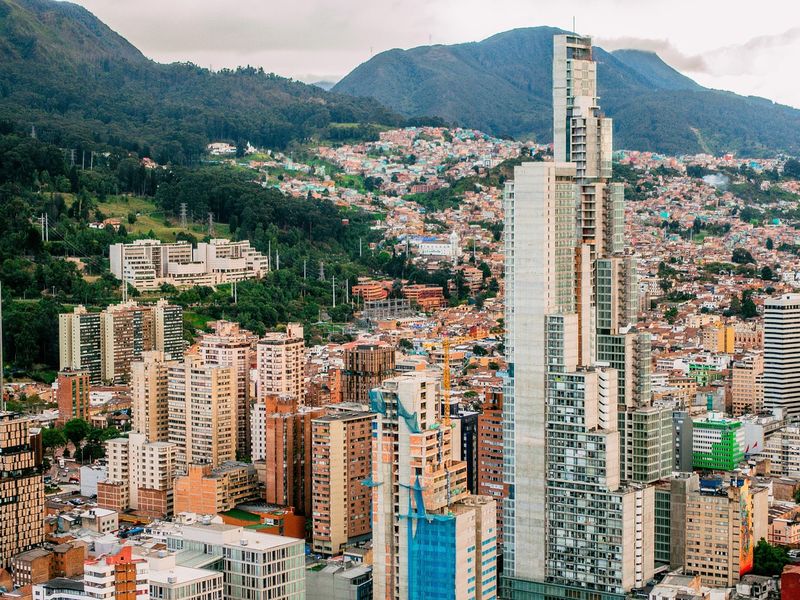
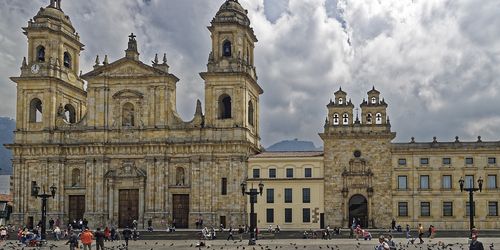
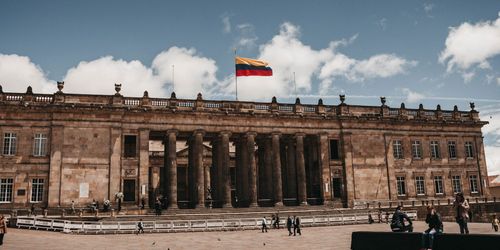
Gay attractions in Bogotá take you mainly to Chapinero, the queer neighborhood in the north of the city. Around Carrera Séptima, the scene can be explored on foot, past bars, cafés and shops that have shaped the quarter for years. With over a hundred gay and gay-friendly addresses, Chapinero is the vibrant center of queer life. If you want to plan classic sightseeing in between, drive to the old town La Candelaria with its colonial houses, the Plaza de Bolívar and museums such as the Gold Museum, or up to the local mountain Monserrate with a view over the city.
In terms of LGBT rights, Colombia is one of the more progressive countries in Latin America, with same-sex marriages possible here since 2016. The highlight of the year is the Marcha LGBTIQ+, which has a long history in Bogotá and brings tens of thousands of people to the streets. In 2026, the thirtieth edition will take place, traditionally at the end of June via Carrera Séptima to Plaza de Bolívar, accompanied by rallies and a cultural program throughout Pride week. If you want to get to know Bogotá beyond the pure postcard motifs, you will find your own approach to the queer life of the city, from Chapinero to the café districts in the north. The following places and events will take you to the most important stations.