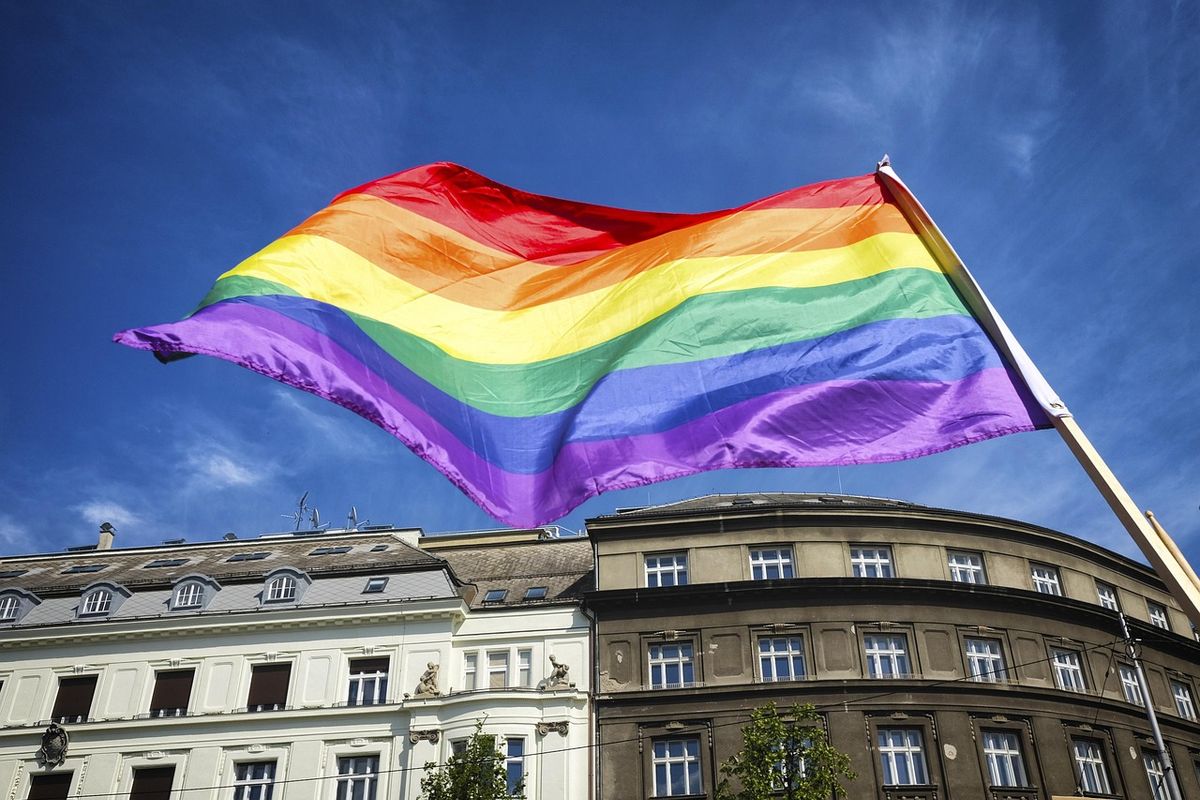
Image: (pixabay)
Documents that don't match how you present, X markers, body scanners and hormone meds: a calm, practical guide to travelling well prepared as a trans* or non-binary person.
Travel should be a joy and broaden your horizons, and that's just as true for trans* and non-binary people as it is for anyone else. Being on the road can simply add a few extra things to think about, for instance around documents, security checks or medication. This article gathers concrete, respectful pointers so you can set off well prepared. You know your own situation best, so treat what follows as orientation rather than rigid rules.
When your ID and your sense of self don't match
Sometimes the name, gender marker or photo in your documents doesn't reflect how you present today. That can prompt questions while you're travelling, for example at immigration or check-in. Awkward as those moments are, a little preparation usually keeps them short and undramatic.
A practical detail many people overlook: the International Civil Aviation Organization treats a passport as valid for travel until it expires, regardless of whether the listed sex matches your sense of self or shows an "X" marker. So a mismatch between your appearance and your document is not, by itself, a reason to be turned away. What matters more is consistency across your paperwork.
- Make sure the name in your booking matches the name in your travel document exactly. This avoids the bulk of problems before they start.
- If you have paperwork relating to a name or legal gender change, keep it close to hand rather than buried in your checked bag.
- Work out a few calm phrases in advance so you can answer routine questions briefly.
- Stay friendly and matter-of-fact. Most queries are pure routine and clear up quickly.
You decide how much you explain. Nobody is owed more than the details a given situation actually requires. If you want a fuller picture of what officials may and may not ask, our guide to border control and entry as a queer person goes deeper into your rights at the line.
A word about the X gender marker
Third-gender or "X" markers exist on passports in a small but growing number of countries. As of 2025, roughly 17 states issue them, and the requirements differ widely: some ask for a medical statement, others accept a simple self-declaration. Recognition at the other end varies too, since a destination's border system may not have a field for anything other than M or F.
If your passport carries an X, it stays valid for travel under the same ICAO rule above. Still, it's worth checking how your specific destination handles entry data before you book, especially for visas, which are sometimes issued through separate systems. Country-level situations shift, so cross-check current guidance rather than relying on a single old forum post.
Security checks at the airport
Body scanners are a common worry, because older systems asked the operator to pick a "male" or "female" silhouette and then flagged anything that didn't fit the template. The technology has been moving toward gender-neutral algorithms that no longer force that choice, which cuts down on false alarms and the secondary pat-downs that follow them. You won't control which system a given airport runs, but knowing the direction of travel can take some of the dread out of it.
If an additional check is needed, you generally have options. You can ask for the pat-down to happen in a private area, and you can bring a companion of your choice. Policies on who performs the search vary by country and have shifted in some places, so it's reasonable to state your preference and ask what will happen next.
Practical things that help on the day:
- Allow plenty of time so you're not under pressure if there's a secondary check.
- If a procedure makes you nervous, ask the officer to walk you through it before it starts.
- Wear binders, packers, prostheses or other aids in a way that lets you explain them calmly if a scanner flags them. You only have to say as much as the check requires.
Preparing your medication properly
If you take medication, hormone therapy for instance, careful preparation pays off. The goal is simple: stay covered for the whole trip with no gaps at your destination.
- Bring an ample supply and build in a buffer for delays or a missed connection.
- Carry important medication in your hand luggage so it's still with you if a bag goes astray.
- Keep it in its original packaging where possible, and carry a doctor's letter confirming the need, ideally with the generic drug name.
- Check the import rules at your destination in advance. Some substances that are routine at home are restricted elsewhere, and injectables raise their own questions at security.
For storage, time-zone shifts or import questions, your treating practice is the best point of contact. A quick check-in before you leave usually clears up the details. If you're also managing PrEP or HIV medication, the dedicated guide on carrying PrEP and HIV medication through customs covers the specifics worth knowing.
Choosing your destination deliberately
Where you go carries particular weight for trans* and non-binary travellers. How openly and safely you can move through a place depends on the legal framework and the everyday social mood, and the two don't always line up. A country can have progressive laws and a tense street climate, or the reverse.
First-hand accounts from other trans* and non-binary travellers tend to be the most useful source here, more so than glossy brochures. Look into how trans* people are recognised at your destination and whether there's a visible, supportive community to lean on. For early trips, leaning toward places widely considered open takes the pressure off and lets you actually enjoy the holiday. If a destination leaves you uneasy, choosing somewhere else is a completely legitimate call. Our overview of reading a country's LGBT safety situation helps you weigh laws against lived reality, and the queer-friendly hidden gems piece points to spots beyond the usual shortlist.
Looking after yourself on the road
Travel can be exciting and, at times, draining. Plan in moments of rest on purpose. Your safety and wellbeing come first, full stop.
- Trust your gut. If a situation feels off, you're free to leave it at any point.
- Stay in touch with someone you trust at home and share a rough outline of your plans.
- Look up local contacts or supportive places at your destination before you arrive, so you're not searching in a crisis.
- Give yourself permission to rest. You don't have to do everything every day.
Self-care isn't a luxury here, it's the floor a good trip stands on. If the emotional side of travelling weighs on you, the guide on mental health and queer travel is a worthwhile read before you go.