Image: (pixabay)
Beyond Mykonos and Sitges lie quieter, cheaper, queer-friendly destinations worth discovering. Here's how to spot genuine openness and research a place before you book.
Mykonos, Sitges, Gran Canaria, Berlin: the big queer hotspots have earned their reputations. But sometimes you long for something different, for less bustle, lower prices and the feeling of discovering a place that isn't already on every list. The good news is that there are plenty of destinations beyond the classics where you'll feel welcome as a queer traveller. Here's how to find them and what to look out for.
Why hidden gems are worth it
The well-known hotspots are popular because they work, but that comes at a price. High accommodation costs, crowded beaches and a certain sameness are part of the deal. Smaller, less familiar destinations often offer the opposite: more peace and quiet, more authentic encounters and better value for money.
There's a quieter pay-off too. Travel off the beaten track and you tend to experience a region more honestly. Instead of a backdrop tailored to tourism, you meet everyday life as it actually is, and for many people that's what makes a trip worth taking in the first place.
Criteria for genuine openness
Before you settle on a less familiar destination, a quick reality check pays off. Not every beautiful place is also a relaxed place for queer travellers. These criteria help you weigh it up, and they overlap with the way you'd read a country's safety situation more broadly:
- Legal situation: what's the legislation like? Is there protection against discrimination, or are there restrictions that could affect your trip?
- Social climate: legal protection and lived acceptance aren't the same thing. How openly does the local society actually deal with queer people day to day?
- City versus countryside: larger cities are often more liberal and diverse than rural regions, even within the same country.
- Visible structures: are there queer bars, associations, saunas or events? Their existence is a good sign of an open environment, and a quick look at gay locations worldwide often reveals more than a tourism brochure.
- Other people's experiences: what do other queer travellers report? Personal first-hand accounts are usually more telling than general image brochures.
How to research cleverly
A good hidden-gem destination is rarely found by chance. Search with purpose and you have a clear advantage. Start with up-to-date accounts in queer travel communities and forums, because there you'll learn first-hand how a place really feels, and the same instincts apply to finding the scene in any new city.
Queer city magazines and local community pages for the region in question help too. Where there's an active queer infrastructure on the ground, it's often visible online. Keep an eye out for local Pride events or cultural festivals as well, since their mere existence speaks to an open climate. Don't lean on a single source; piece together an overall picture from several impressions.
Examples of underrated destinations in Europe
Europe has far more to offer than the usual suspects. The places below stand in for regions that tend to pleasantly surprise queer travellers, without the hype of the big hotspots:
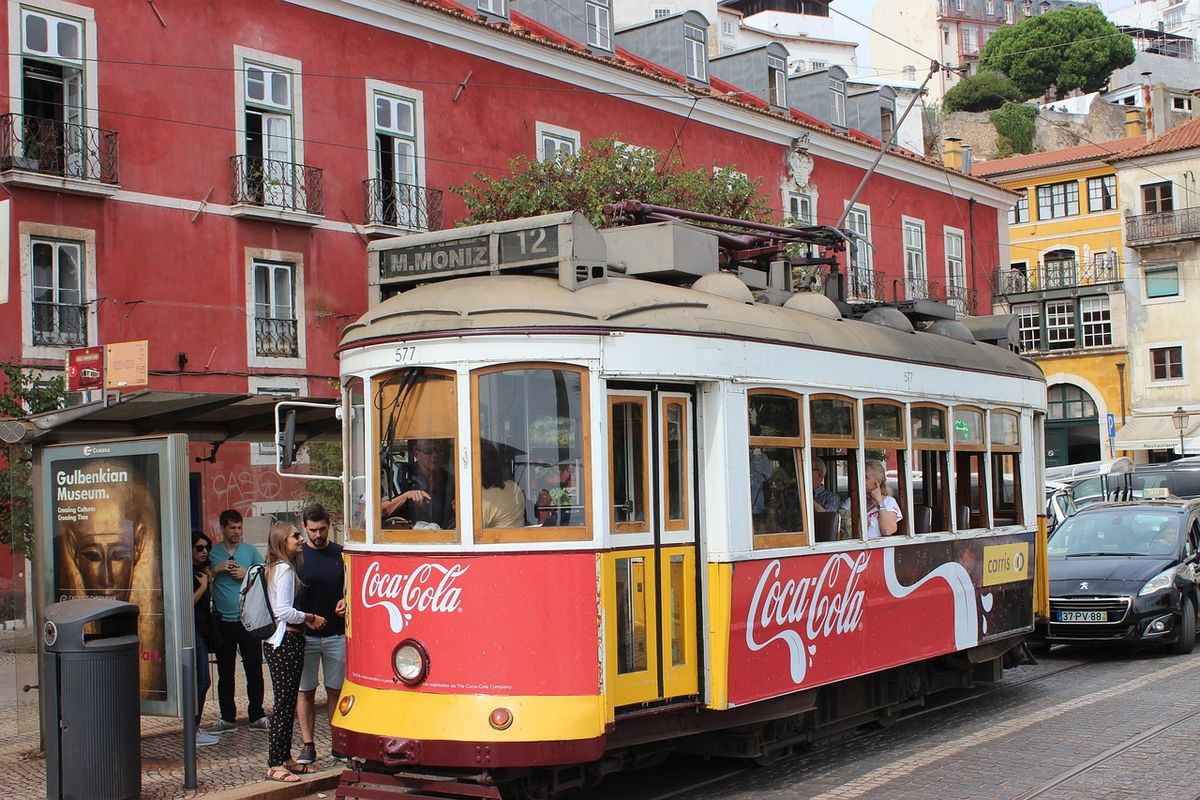
- Lisbon and Porto: Portugal's cities combine charm, a growing queer scene and a relaxed way of life, often cheaper than comparable Western European metropolises. Lisbon's Príncipe Real is the obvious anchor, but Porto rewards a slower visit. There's a full gay Lisbon guide if you want to plan it properly.
- Valencia: Spain's third-largest city stands in the shadow of Barcelona and Madrid, yet scores with beach, culture and an open atmosphere. The Ruzafa (Russafa) neighbourhood is the heart of queer life here, with a crowd that leans local rather than international, plenty of queer women alongside gay men, and Pride in late June.
- Bologna: the Italian university city is considered comparatively progressive and has a lively, young scene that rarely turns up on the big lists.
- Brighton: set on England's south coast, Brighton is sometimes called the UK's unofficial queer capital and has the highest LGBTQ+ population density of any British city. Kemptown, centred on St James's Street, packs bars, drag venues and clubs into a short, walkable stretch.
- Antwerp: Belgium's creative fashion and port city blends urban flair with a relaxed, cosmopolitan attitude.
- Smaller Mediterranean islands: beyond the well-known party islands there are quiet isles where you can simply enjoy a holiday as a couple, undisturbed.
These examples aren't a definitive catalogue but an invitation to search for yourself. Whether you're after city, beach or nature, you'll find destinations in almost every region of Europe that offer more openness than their quiet level of fame might suggest. The gay travel hotspots overview is a useful starting point when you want to compare a few candidates side by side.
Travelling with healthy good sense
A hidden gem doesn't automatically mean carefree. In less touristy regions especially, it's worth developing a feel for local customs in advance. That doesn't mean hiding, but travelling consciously and well-informed.
In many smaller places, queer life is less visible, without that necessarily meaning a lack of acceptance. A respectful, attentive approach to the local culture usually opens more doors than you'd expect, and helps you move around at ease.