Image: (pixabay)
Zona Rosa is the queer heart of Mexico City: a compact grid of bars and clubs, full legal equality, and one of Latin America's biggest Prides. Here's how to do it well.
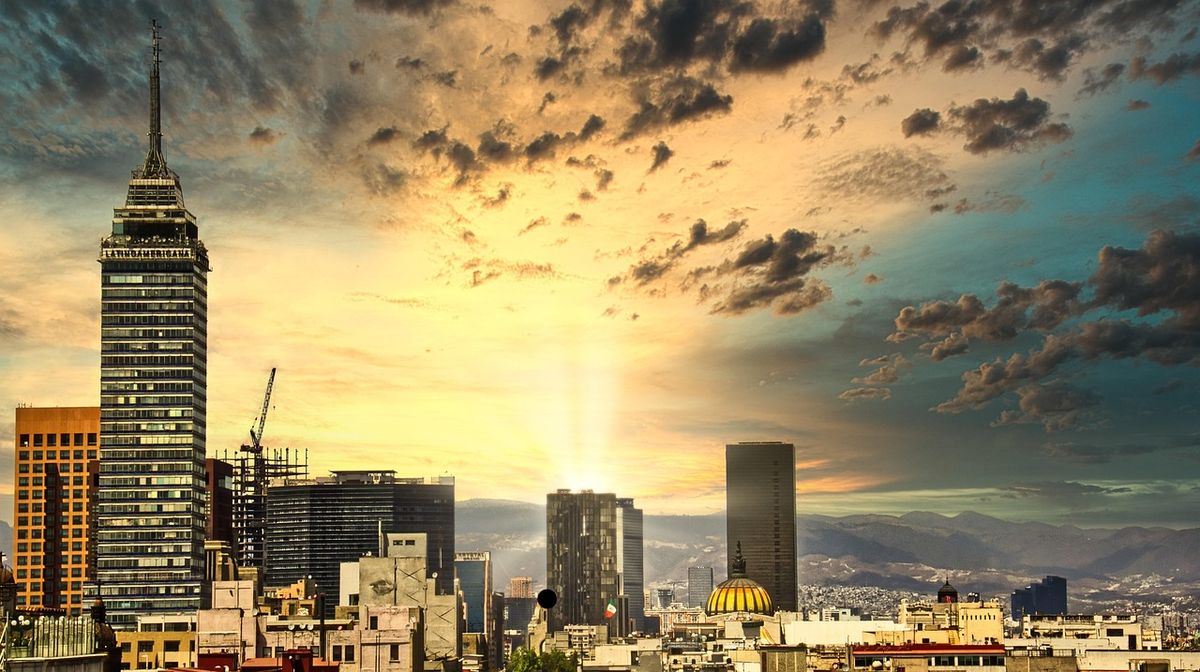
Gay Mexico City is one of the strongest queer destinations in Latin America, and its centre of gravity is the Zona Rosa. Bars, clubs and cafés stretch across the neighbourhood, rainbow crosswalks are just part of the street furniture, and nobody blinks at two men holding hands. If you want a genuine scene paired with great food and a city worth exploring on foot, this is your kind of trip.
Zona Rosa: the gayborhood
The Zona Rosa (officially Colonia Juárez) has been the queer heart of Mexico City for decades. Calle Amberes is widely called the gayest street in the country, and the wider area packs more than 200 businesses into a compact grid of blocks. By day you meet for coffee; by night the whole quarter turns into one big going-out district. It is small enough to wander between venues without ever needing a taxi.
- Calle Amberes: the main strip, with bars, drag cabarets and clubs side by side.
- Every flavour: bear bars, leather venues and big dance floors all sit within a short walk.
- Cost: entry runs from free on weeknights to a small cover on weekends, and drinks are cheap compared with Europe or the US.
If finding your feet in an unfamiliar nightlife district feels daunting, our notes on finding the scene in a new city take some of the guesswork out of that first evening.
Pride in Mexico City
Mexico City Pride is the second-largest in Latin America after São Paulo. The march sets off from the Ángel de la Independencia, rolls down the grand Paseo de la Reforma boulevard and ends at the Zócalo, the city's vast central square. It draws something on the order of a quarter of a million people. The big 2026 parade falls on Saturday, 27 June, with Pride week running through the surrounding days.
Around the march the Zona Rosa runs a full week of events. Bars on Amberes put on special nights, drag shows and late parties from Thursday through Sunday. Book your accommodation early if you are coming for Pride, because the city fills up fast. For a wider sense of how Mexico City stacks up against other queer city breaks, the gay travel hotspots overview is a useful starting point.
Safety and the legal picture
Mexico City is one of the most progressive places in the region. Same-sex marriage has been legal here since 2010, well before it reached the rest of Mexico in 2022. Adoption by same-sex couples is recognised, anti-discrimination protection is broad, and the city also offers legal recognition for nonbinary people.
How openly you can be yourself depends on the neighbourhood. In the Zona Rosa and Roma Norte, affection between same-sex couples is completely unremarkable. In more upscale or traditional districts you will draw a little more attention, and in a few working-class areas it is smart to keep public displays low-key. Beyond that, the usual big-city common sense applies: avoid empty streets after dark and keep an eye on your belongings. If you like to understand a destination's rights situation before you go, our guide to reading a country's LGBT safety situation explains how to weigh the signals.
Altitude: take the first day slow
Mexico City sits at roughly 2,240 metres. You tend to feel the altitude before you feel the city. Keep your first day relaxed, drink plenty of water, and go easy on the alcohol at first. Most travellers acclimatise within a day or two and stop noticing it. The mistake is landing in the afternoon and heading straight out to Amberes the same night.
Best time to visit
The altitude keeps the climate mild year-round, so there is no bad time. The dry season from November to April gives you the most reliable sunshine and the easiest planning. Between June and September you often get a short, heavy downpour in the afternoon, though it rarely wrecks the day.
- November to April: dry and dependable, ideal for sightseeing.
- Late June: Pride season, a packed city and the biggest scene calendar of the year.
- June to September: greener and cheaper, with afternoon rain.
If timing the trip is the hard part, our broader take on finding the best time to travel walks through balancing climate, prices and the scene season.
Where to stay
For the scene, the easiest choice is to stay in or right next to the Zona Rosa. If you prefer something quieter and more stylish, Roma Norte and Condesa are both queer-friendly, full of cafés and parks, and a short hop from the nightlife.
- Zona Rosa: in the middle of everything, all on foot at night, but louder.
- Roma Norte: laid-back, loaded with good food, well connected to the Zona Rosa.
- Condesa: green and calm, great if you want city by day and scene by night.
Sorting the genuinely welcoming places from the merely marketed ones is its own skill, which is why it helps to know how to spot gay-friendly hotels and avoid pinkwashing before you book.