Image: (pixabay)
De Waterkant, Clifton beaches and the Winelands: where to go in gay Cape Town, when to visit and how to stay safe in South Africa's Mother City.
Gay Cape Town has a reputation few cities can match: a dedicated queer quarter in the middle of town, mountains on the doorstep, beaches within sight and a wine region half an hour away. For most LGBTQ travellers heading to South Africa, the Mother City is where the trip begins. This guide walks you through De Waterkant, tells you when to go and gives you straight talk on staying safe.
De Waterkant: The Gay Quarter
Queer life in Cape Town centres on De Waterkant, a small neighbourhood wedged between the city centre and the V&A Waterfront. Its restored Cape Dutch cottages with their painted facades give the area a look all of its own, and bars, cafés and clubs sit close together. It is compact enough to walk the whole thing on foot.
Most venues cluster around Somerset Road and Napier Street. On warm nights the action spills outside, and the line between dinner, first drinks and a late club session tends to blur. If working out a new scene from scratch feels daunting, our notes on finding the scene in a new city save you a few wrong turns.
- Café Manhattan: an easy-going classic with burgers and a terrace, good for the first drink.
- Crew Bar: dance floors across several levels and a house-music crowd that stays late.
- Beaulah Bar: a mixed crowd, drag and party nights at the weekend.
- Zero21: drag shows, karaoke and some of the cheapest drinks around.
Thursday to Saturday are the busiest nights. During the summer season and around Cape Town Pride in February, expect extra events and street parties on top.
Best Time to Go
Cape Town sits in the southern hemisphere, so the seasons are flipped. Summer runs December to February and brings long, dry days with highs of around 25 to 30 degrees Celsius. That is prime beach and nightlife season, but also the most expensive and the most crowded, so book flights and rooms months ahead if you travel then.
The shoulder months, March to May and September to November, are often the smarter pick: still pleasantly warm, fewer crowds, lower prices. Winter, June to August, is cooler and wetter, with highs of about 14 to 18 degrees. Summer also brings the strong south-easterly wind known as the Cape Doctor, which clears the air but can really blow. If you are weighing climate against price and scene season more broadly, our piece on finding the best time to travel lays out the trade-offs.
Beaches and Wine
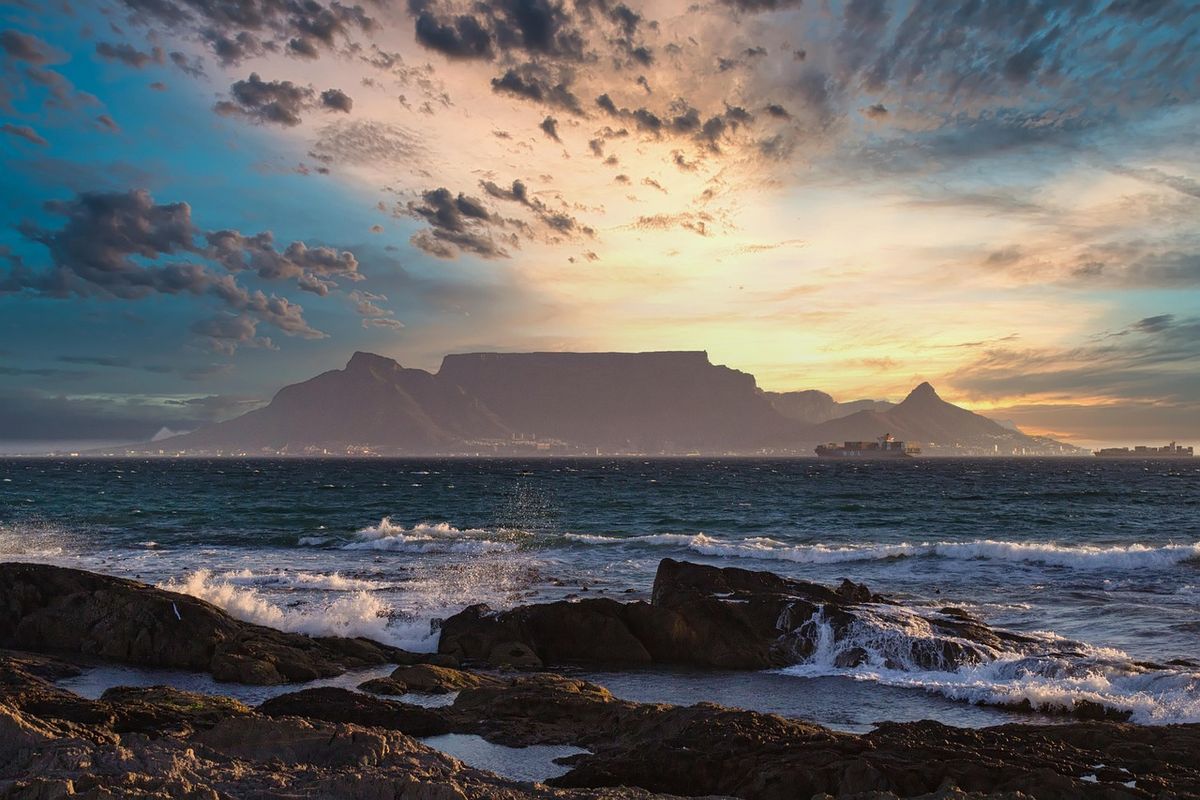
The best-known queer spot by the water is Clifton, and Clifton 3rd Beach in particular has long been popular with the community. The Atlantic here is bracingly cold, the sand soft and the sun strong. Neighbouring Camps Bay is more polished, with a promenade, restaurants and a view of the Twelve Apostles. Pack sensibly for a long beach day; the smart packing list for queer trips covers the essentials so you are not caught out by the wind or the sun.
Less than an hour inland you reach the Cape Winelands around Stellenbosch, Franschhoek and Constantia. Many estates offer tastings, restaurants and gardens, and a number of them are openly welcoming to queer visitors. A day trip is easy to arrange with a driver, which saves you driving after a tasting.
- Constantia: the closest wine region, good for half a day.
- Stellenbosch: a historic town with many estates packed close together.
- Franschhoek: known for fine dining and the Wine Tram.
Where to Stay
De Waterkant itself is the obvious choice if you want the nightlife within walking distance. You will find boutique hotels and plenty of self-catering flats in the painted cottages. For something quieter with a sea view, head to Camps Bay or Sea Point, both well connected. The city centre and the V&A Waterfront are handy for sightseeing and restaurants.
For beach access and a relaxed feel, Sea Point makes a solid base: a seafront promenade, lots of cafés and short hops to both De Waterkant and Clifton. Wherever you land, it pays to read a property the right way; we explain how in spotting gay-friendly hotels and avoiding pinkwashing.
Travelling Safely
South Africa is among the most queer-friendly countries on the continent. Same-sex marriage is legal and discrimination based on sexual orientation is outlawed. In Cape Town's tourist areas you will be welcomed openly. At the same time the country has a high crime rate that has nothing to do with your sexuality and applies to everyone. To gauge any destination beyond the headlines, our guide on reading a country's LGBT safety situation correctly is a useful habit before you book.
A few practical habits go a long way:
- At night: use a ride-hailing app for short trips rather than walking through empty streets.
- Valuables: keep phones and jewellery low-key and out of sight.
- Rental car: lock the doors and keep nothing on the passenger seat at traffic lights.
- Stay current: check your government's travel advice before you go.
With the normal big-city awareness, Cape Town is a rewarding and easy place to travel.
Make It a Longer Trip
Three or four days cover the scene and the beaches comfortably, with a fifth for the Winelands. If you want an hour-by-hour plan, the Gay Cape Town in 3 Days itinerary maps it out, and the wider gay travel hotspots hub points you toward other destinations once you have the southern-hemisphere bug.