Three days in Cape Town: De Waterkant's bars, Table Mountain and the coast, plus a day trip to the Cape or the winelands. A queer-friendly city break with the essentials.
Cape Town has been on the queer travel map for Africa longer than almost anywhere else. South Africa wrote equality into its constitution early on, same-sex marriage has been legal since 2006, and the city has its own scene district with bars, cafés and hotels. Mix the city, the landscape and the nightlife rather than trying to cram everything in at once, and three days is enough to cover the essentials. For more on neighbourhoods, going out and where to stay, the Gay Cape Town guide goes deeper.
Day 1: De Waterkant and settling in
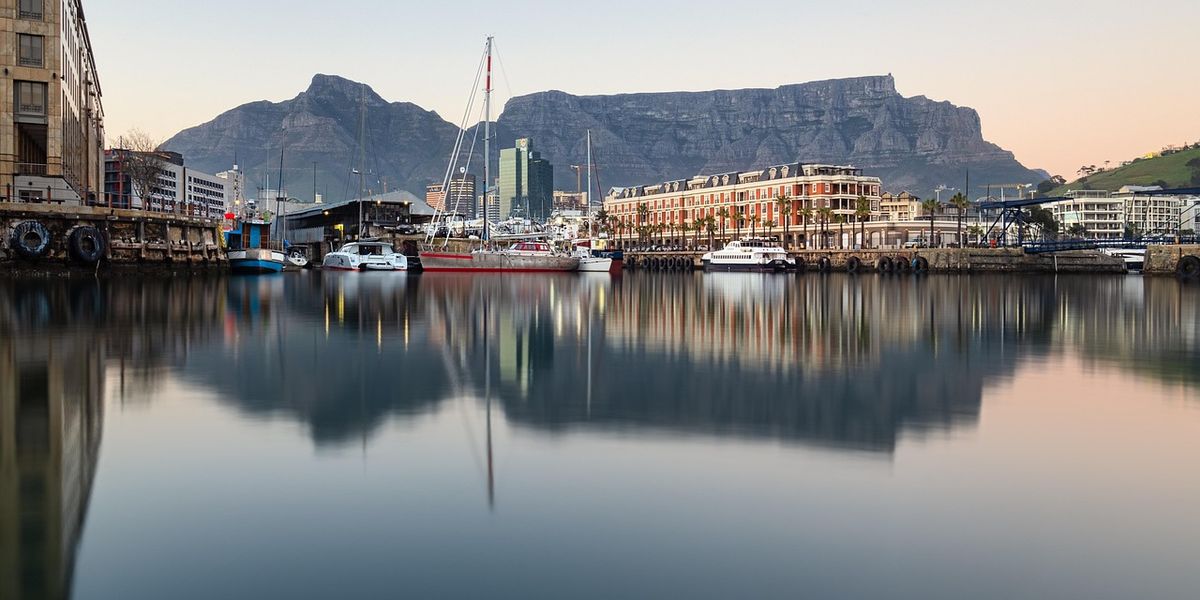
De Waterkant is the queer heart of the city. The district sits on a hillside between the centre and the Waterfront, all low, brightly painted houses and narrow lanes. Bars, cafés and boutiques cluster around Somerset Road within a few streets of each other. First time in town? Ease into it. A coffee in the morning, a wander through the neighbourhood, a drink on one of the terraces later on.
Plenty of travellers base themselves right in De Waterkant, since so much is within walking distance and it's a short stumble home from the nightlife. Staying at the V&A Waterfront puts you closer to the water and the restaurants, though you'll usually pay more for it. If you want help reading the marketing before you book, our notes on spotting genuinely gay-friendly hotels are worth a look.
In the evening, the easiest plan is to stay in the district. Once it gets dark the bars along Somerset Road fill up, and it's often just a few steps from one to the next. Nightlife here starts late; before midnight many places are still pretty quiet. New to finding your feet in an unfamiliar city? The piece on finding the scene in a new city covers the basics.
Day 2: Table Mountain, the city and the beach
The second day belongs to the landscape, which here sits right on the doorstep. Table Mountain is the city's landmark, and on a clear day the trip up is well worth it. The cableway gets you to the plateau in a few minutes, and from the top the view runs over the city, the bay and, in good weather, all the way to the Cape. Confident walkers can climb up via Platteklip Gorge instead, but start early and bring enough water.
One catch: the cableway shuts down in high wind, and it also closes for a couple of weeks each winter for annual maintenance. Plan the mountain loosely rather than pinning it to a fixed day. If the morning doesn't work out, go in the afternoon or the next day instead. Afterwards it's worth a stroll through the centre back down at street level, perhaps across the Company's Garden or through the colourful Bo-Kaap with its pastel houses.
After sun and water? Head for the coast. Below the Twelve Apostles, Clifton and Camps Bay sit close together, with pale sand and cold Atlantic water. For years the third of the Clifton beaches, Clifton Beach No. 3, has been popular with queer visitors. Further south, Sandy Bay is the nude beach, a little out of the way and reached on foot along a path. Even in summer the water stays brisk, so swimming is really one for the hardy.
Day 3: Cape of Good Hope or the winelands
The third day is made for a day trip, depending on what you fancy. The Cape Peninsula runs along the coast to the Cape of Good Hope, in the nature reserve at the southern tip. On the way lies Boulders Beach near Simon's Town, known for its colony of African penguins. The full loop takes a day; a rental car or a guided tour makes it a lot easier.
Inland is the quieter option. Stellenbosch and Franschhoek make up the winelands, barely an hour from the city, with estates, tastings and good food. They suit a relaxed final day when you don't feel like walking much more. If you're drinking, sort out the ride back in advance, whether through a car service or a tour.
A few practical notes
On queer rights, South Africa is legally one of the most progressive countries on the continent. In Cape Town, and especially in De Waterkant, holding hands barely draws a glance. Outside the tourist districts and in rural areas the mood is more mixed, so the usual judgement helps. On safety, general caution pays off: take a taxi or a ride service at night rather than walking, and keep valuables out of sight. For a broader sense of how to read a destination before you go, see reading a country's LGBT situation.
The South African summer from November to March is the best time to visit, when it's warm and dry, though the wind can really pick up. If you'd rather line up your trip with climate, prices and the scene season, our guide to finding the best time to travel walks through the trade-offs. And if Cape Town has you planning the next stop, the wider gay travel hotspots overview is a good place to start.
Frequently asked questions
Last reviewed: 27. July 2026