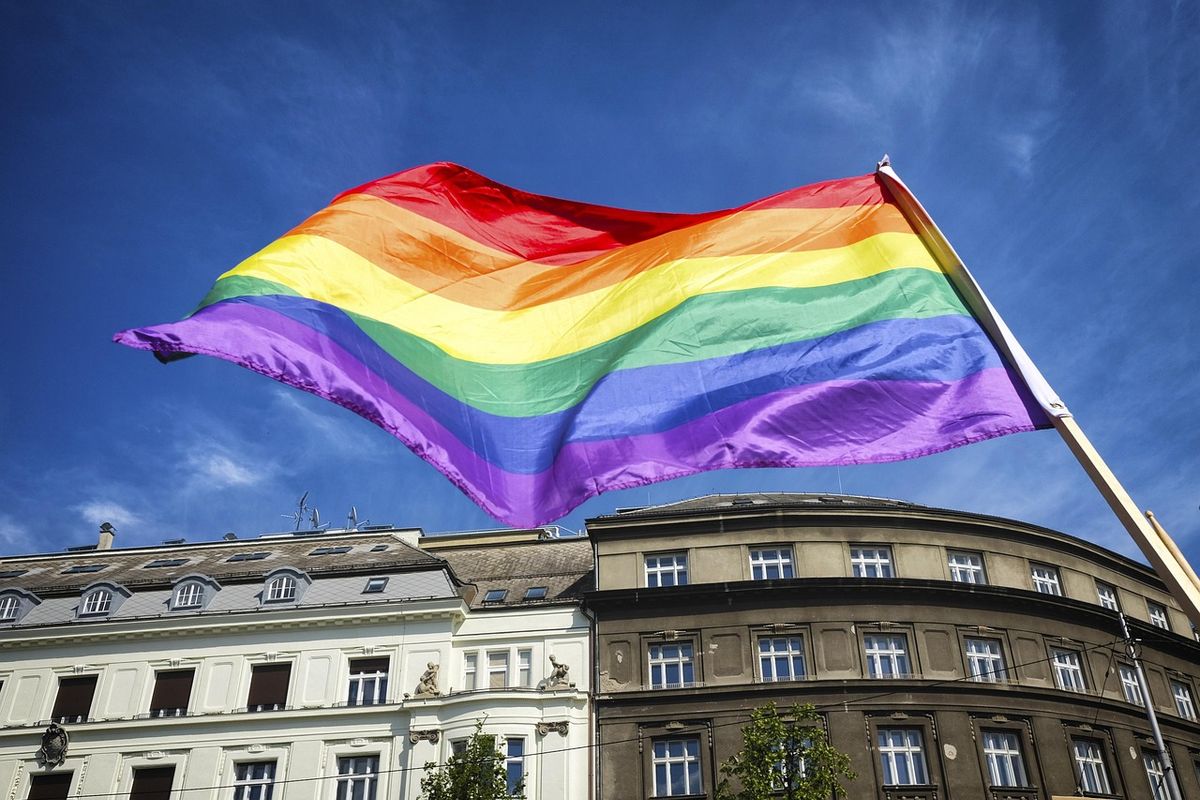
Image: (pixabay)
Slower mornings, short distances and real company: how queer travellers over 50 plan relaxed trips with comfort, accessible stays and an established community.
Travelling at 50, 60 or 70 is mostly about deciding for yourself what a good holiday looks like. Travel for older LGBTQ+ people no longer has to be packed from dawn to dusk; it can leave room for slow mornings, short distances and real connection. This article shows you how to bring pace, comfort and community together as a queer traveller in midlife and beyond.
Set Your Own Pace
Priorities tend to shift after midlife. One city done well often beats three rushed in a week. Slow travel does not mean seeing less; it means rushing less, and it leaves you with the energy to actually enjoy the places you came for.
- Longer stays: Settle in one place for several nights instead of changing hotels daily.
- Built-in breaks: A free afternoon each day keeps you from coming home more tired than you left.
- Easy arrival days: Plan travel days and time-zone changes as quiet days on purpose.
If you are weighing up when to go, the off-season often delivers gentler crowds and softer prices. Our guide on finding the best time to travel walks through how climate, costs and the local scene season line up.
Comfort and Accessibility
Comfort is not a luxury later in life. It is the difference between resting and wearing yourself out. It pays to check the details before you book rather than face a steep staircase once you arrive.
Ask accommodations directly: is there a lift, a step-free shower, a short walk to the room? If your mobility is limited, a ground-floor room and a destination with reliable public transport make a real difference. Travel insurance and an up-to-date medication list belong in the bag for many people at this stage anyway. A short read on travel insurance for queer travellers covers what is genuinely worth checking before you pay for a policy.
Destinations That Suit You
Some places have welcomed the older queer community for decades and feel relaxed because of it. Key West has long drawn people who like a slower rhythm, with its mild climate and short distances. European cities and islands with an established scene offer the same thing: an environment where you do not have to explain yourself.
When choosing, look for a good climate without extreme heat, existing queer infrastructure and healthcare you can rely on. The International LGBTQ+ Travel Association (IGLTA) lists more than 13,000 LGBTQ+ welcoming businesses across over 80 countries, which makes a solid starting point for research. If you would rather see where the community already gathers, browse our gay travel hotspots for cities with a settled, easy-going scene.
Cruises as a Relaxed Option
Cruises suit many older queer travellers because you unpack once and the destination comes to you. On board there are short distances, lifts and usually good accessibility, plus a setting where same-sex couples are simply welcome.
- Specialist operators: Atlantis Events has run gay cruises since 1991, while the newer Vacaya markets itself to the whole LGBTQ+ community, with programming that ranges well beyond the dancefloor.
- European options: The Spartacus Cruise and TUI Mein Schiff's Rainbow Cruise are aimed specifically at queer guests.
- Classic routes: The Caribbean, the Mediterranean and Northern Europe are the most common sailing areas.
If big party ships are too much, look for quieter itineraries and smaller vessels where the focus is on company rather than late nights. New to sailing? Our gay cruise overview lays out the operators and routes side by side so you can match a trip to your energy.
Community and Connection
A big concern when travelling later in life is not feeling isolated. Solo travellers in particular value formats where contact happens easily. Small group trips, often capped at around 12 to 16 people, mean you actually get to know each other instead of disappearing into a crowd.
Some operators focus specifically on mature queer travellers and put pace, good food and camaraderie ahead of all-night dancing. If you would rather travel among women or among men, there are tailored options for that too. Going on your own does not have to mean going it alone; our guide to solo travel as a queer person covers how to stay social and safe at the same time.
Practical Preparation
A little preparation takes a lot of pressure off once you are away. Sort the essentials before you go so you do not have to deal with logistics on the trip.
- Documents: Keep your insurance details, medication list and key contacts within easy reach.
- Health: Get a check-up before longer trips and pack enough medication for the whole stay.
- Local laws: For some destinations it helps to know how openly you can present as a queer person.
That last point matters most where attitudes vary by region. Reading how to assess LGBT safety worldwide helps you judge a country's situation honestly rather than relying on a single headline.