Image: (pixabay)
Three days in queer Berlin, from the historic heart of Schöneberg to the alternative scene in Kreuzberg and the city's world-famous club nights.
Few cities hold queer history and queer present this close together. In Berlin, places of remembrance sit a few steps from bars where people have been celebrating for decades, and a legendary club opens its doors while a memorial around the corner honours the persecuted. Three days are enough to feel that pull between the past and the dance floor. Here's a weekend that lets both sides breathe.
Schöneberg and Nollendorfplatz: the historic heart
Anyone trying to understand queer Berlin starts in Schöneberg. A lively gay and lesbian subculture grew up around Nollendorfplatz as early as the 1920s, and its echoes still carry through the streets. The district counts as the city's most tradition-steeped queer neighbourhood, and it wears that history openly.
At the Nollendorfplatz U-Bahn station, a memorial plaque honours the queer victims of National Socialism—a quiet, easy-to-miss marker that rewards a pause. From there it's worth wandering the surrounding streets. Motzstraße and Fuggerstraße line up cafés, bars and bookshops one after another, and the city's longest-running queer addresses are clustered within a few minutes' walk. If you want the bigger picture before you set off, the full guide to gay Berlin's neighbourhoods and scene maps out where each crowd gathers.
Places of remembrance
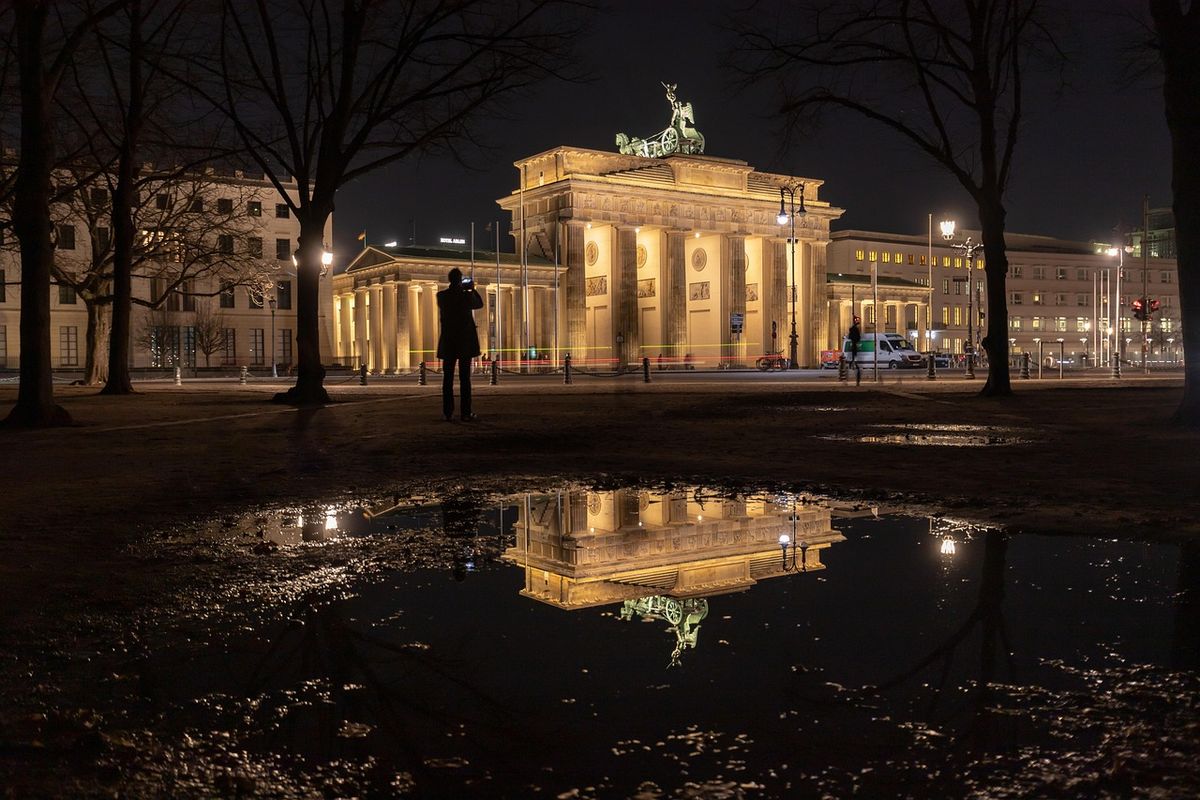
Berlin takes its responsibility toward queer history seriously, and you feel that in more than one spot. At the edge of the Tiergarten, within sight of the Brandenburg Gate, stands the Memorial to the Homosexuals Persecuted Under National Socialism. It's a plain concrete block, opened in 2008, with a single small window: look inside and a short film of two people kissing plays on a loop. The contrast between the heavy form and the tender image is the whole point.
If you want to go deeper, the Schwules Museum in Tiergarten is worth an hour or two. Founded in 1985 as the world's first museum dedicated to gay history, it now sits in a former printing works on Lützowstraße and runs changing exhibitions on queer life past and present. None of this is an obligatory box to tick. It simply makes clear that the freedom you'll enjoy later that night was hard-won, and the city reads with more depth once you've taken the time.
Kreuzberg and Neukölln: the alternative side
As much as Schöneberg stands for tradition, Kreuzberg and neighbouring Neukölln stand for the alternative, mixed queer Berlin of today. The scene here skews younger and more political, with a strong awareness of the full breadth of queer identities. Bars, collectives and project spaces around Kottbusser Tor and along the canals deliberately set themselves apart from the polished mainstream.
Spend an afternoon walking the Landwehrkanal, grab street food, then duck into a bar where the door swings open onto something more experimental and often less commercial. This is also the part of town where the line between a night out and a community space blurs in the best way. If finding the right rooms in an unfamiliar district feels daunting, our notes on finding the queer scene in a new city save you some guesswork.
Club culture: Berlin's second language
Entire books have been written about Berlin's nightlife, and there's a reason. The club culture is famous worldwide, and a large share of it is queer-shaped or grew straight out of the queer scene. People here don't simply dance. They protect a feeling: freedom, anonymity, the right to be unbothered.
That feeling comes with house rules. Selective door policy, a strict ban on photography inside, and a mindful way of treating one another are part of the deal, not obstacles to it. Plan one all-night session on purpose rather than trying to cram in three, and give yourself a slow day to recover afterwards. If you want to arrive on the same wavelength, a quick read on cruising respectfully while travelling covers the etiquette that keeps these spaces working.
Three days of queer Berlin: a loose plan
So how does all of this fit into a weekend? Day one starts in Schöneberg. Soak up the history around Nollendorfplatz, stroll down Motzstraße, and let the evening wind down in one of the neighbourhood's older bars. You arrive without burning out on the first night.
Day two belongs to contrast. The places of remembrance around the Tiergarten in the morning, then a switch to Kreuzberg and Neukölln in the afternoon for the alternative scene by the water. Keep the evening flexible, because this is when you head out into the Berlin night. Don't lock in a fixed plan. Let yourself drift.
Day three is for slowing down. Sleeping in is allowed after a long night, followed by the kind of unhurried brunch Berlin does well. Whatever's left—a last wander through Schöneberg, a bookshop, a quiet hour in the park—closes the loop, so you carry both sides of the city home with you. For a tighter hour-by-hour version, the Gay Berlin in 3 days itinerary lays the route out step by step.
Timing your visit and the Pride question
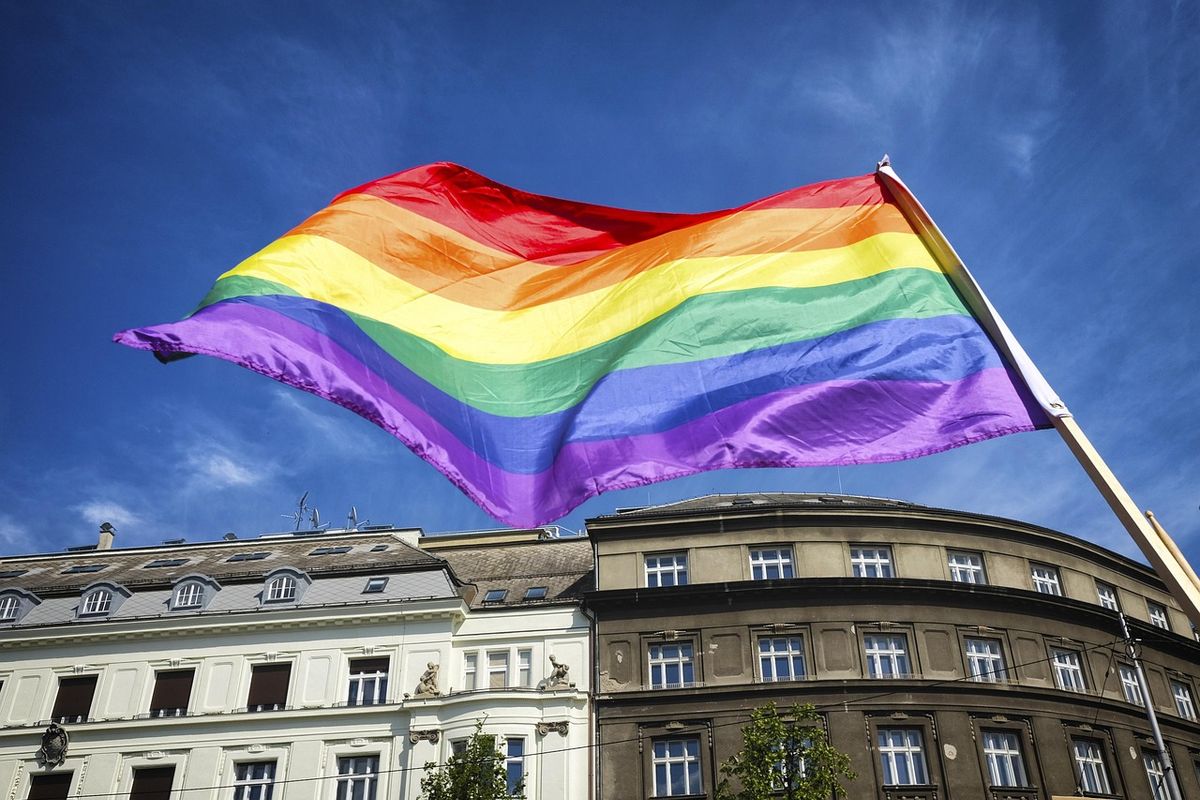
Berlin works year-round. Warmer months invite long walks and life outdoors, while the cold season pushes the nightlife and cultural calendar to the front. One date stands out, though: Christopher Street Day, Berlin's Pride, lands in midsummer, and the Lesbian and Gay City Festival takes over the streets around Nollendorfplatz the weekend before the parade. If your three days overlap with either, book your room early—the city fills up fast. When you're weighing exact dates against crowds and prices, our piece on finding the best time to travel helps you choose well.
Practical notes
- Public transport: Berlin is big but superbly connected by U-Bahn, S-Bahn and tram. Most of this weekend is doable without a car, and night services run on the weekends.
- Choose your base with purpose: anyone wanting to stay close to the queer action is well placed in Schöneberg or Kreuzberg.
- Respect the nightlife: mind the clubs' house rules, especially the widespread ban on photography, which protects everyone's privacy.
- Leave time for history: the places of remembrance deserve a conscious moment, not a glance in passing.