Image: (pixabay)
Three days through Schöneberg, Kreuzberg and Friedrichshain: history, bars and late club nights, plus practical tips on getting around and when to come.
You won't see all of Berlin in a weekend, nobody does. Three days are enough to get a feel for the city's most important queer corners without sprinting from one thing to the next. This route runs through Schöneberg, Kreuzberg and Friedrichshain, mixing landmarks with nightlife and leaving room to slow down. For the deeper background on neighbourhoods, addresses and events, our complete gay Berlin guide picks up where this itinerary stops.
Day 1: Schöneberg, the historic heart
Schöneberg is the city's oldest gay and lesbian district. As far back as the 1920s, a big chunk of queer life played out here, around the bars and cabarets near Nollendorfplatz. A memorial plaque at the U-Bahn station recalls the persecution of homosexuals under the Nazis, who deported many from exactly these streets. Ease into the day with a coffee on Motzstraße or Fuggerstraße, where cafés, bars and bookshops sit one after the other.
The Schwules Museum is worth an hour or two. Founded in 1985, it was the first museum anywhere dedicated to gay history, and it now sits at Lützowstraße 73 in Tiergarten. The exhibitions change regularly and reach well beyond German history into queer art and lesbian, trans and intersex stories. If you'd rather take it slow, find a bench on Viktoria-Luise-Platz and watch the world go by.
Stay in the area for the evening. Some Schöneberg bars have been running for decades and the crowd skips between them all night. To work out which spots are buzzing and which are the low-key ones for a quiet drink, read our guide to finding the scene in a new city. Don't pack the first night too tightly. It's allowed to run long.
Day 2: Kreuzberg and a dose of sightseeing
Let day two start slowly. Kreuzberg is less a classic scene district than a mixed neighbourhood where queer life is simply part of the fabric. Have breakfast along the Landwehrkanal, then wander through the weekly market at Maybachufer if it's a Tuesday or Friday. Görlitzer Park and Bergmannstraße are good places to drift on an aimless afternoon.
When you're ready for landmarks, hop on the U-Bahn a few stops towards Mitte. The Brandenburg Gate, the Reichstag and the Memorial to Homosexuals Persecuted under Nazism all sit close together on the edge of the Tiergarten. The memorial, unveiled in 2008, is a single grey concrete block with a small window; inside, a looping film shows couples kissing. It's quiet and easy to miss, which is part of the point.
In the evening Kreuzberg comes alive, from quiet pubs to clubs that don't really get going until well after midnight. A few things make a Berlin club night easier:
- Arrive late. Floors fill up around 2 or 3am, and the bigger clubs run straight through to Sunday or beyond.
- Stay relaxed at the door. Staff read the mood rather than tick off a dress code, so impatience or a loud group rarely helps.
- Leave the camera in your pocket. Many venues cover phone cameras with a sticker. It protects the space inside, not least for people who aren't out.
- Carry cash. Plenty of doors and bars still don't take cards.
Day 3: Friedrichshain and a soft landing
How long the second night ran will shape your third day. Friedrichshain around Boxhagener Straße is a good place to recover, with cafés, a Sunday flea market on Boxhagener Platz and plenty of room to sit. Warschauer Straße links the area to the riverside nightlife along the Spree, where several of the East Side's clubs and bars cluster together.
If you've still got energy, a sauna or spa in the afternoon is a Berlin tradition worth keeping, and the relevant addresses are spread right across the city. On where to base yourself: Schöneberg is the obvious pick, but Mitte and Kreuzberg both work well and put you closer to the sights. Browse the wider gay travel hotspots if you want to compare Berlin against other city breaks before you book.
Getting around and when to come
Berlin is bigger than the U-Bahn map lets on, and the gaps between neighbourhoods are longer on foot than they look. A day ticket for the BVG network covers U-Bahn, S-Bahn, tram and bus and usually pays for itself. The city is flat and well stocked with rental bikes, so cycling is a genuine alternative if the weather holds.
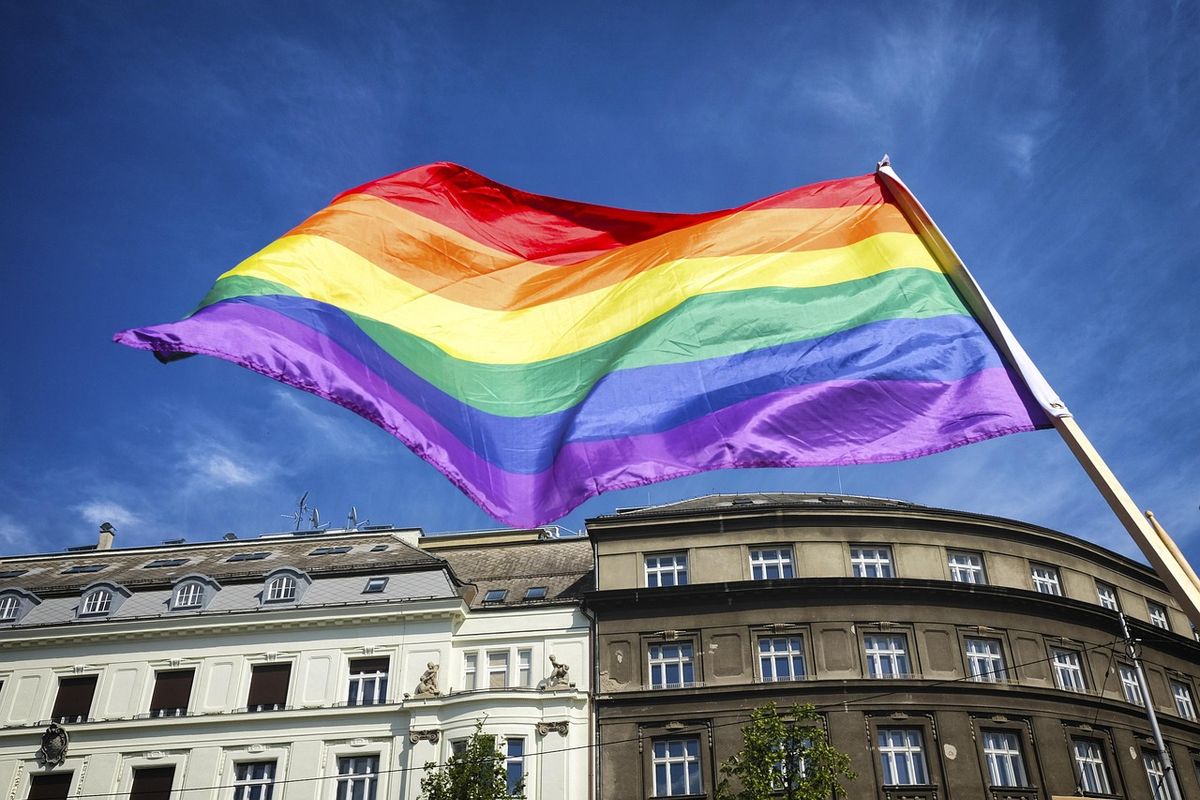
On timing: Christopher Street Day, Berlin's main Pride, lands in late July and draws hundreds of thousands of people. Folsom Europe takes over Schöneberg in early September, and Easter weekend has long been a fixture for the fetish crowd. The city books out fast around all of these, so reserve early; for the full picture of when to go, see our Europe Pride calendar. Outside the big weekends Berlin stays lively year round, winter included.
Three days are a start. Pack light and leave space in the plan, because half of Berlin happens by accident. Our packing list for queer trips keeps the bag down to what you'll actually use.