Three days in gay Lisbon: Príncipe Real and Bairro Alto, Tram 28 through Alfama, beach time at Caparica, and the bar scene that gets going after midnight.
Lisbon rewards a short trip. The queer scene clusters in a handful of neighbourhoods that are all within easy reach on foot or by tram, so a long weekend is enough to catch the essentials without rushing from one box-tick to the next. This guide splits three days into a loose rhythm: a slow first day in the gay village, a proper sightseeing day that ends in the bars, and an open final day shaped around the market, the river and maybe a side trip. For addresses, maps and current tips, the Gay Lisbon Guide stays up to date between visits.
Day 1: Príncipe Real and settling in
Príncipe Real is the queer heart of the city. It sits a little above the centre, quieter than neighbouring Bairro Alto, with cafés, small boutiques and a city garden, the Jardim do Príncipe Real, where the giant cedar still draws people to its shade. Treat the first day as a soft landing. Coffee in the morning, a wander through the side streets around Praça do Príncipe Real and Rua da Escola Politécnica, then a glass of wine on one of the terraces later on.
Almost everything from here is walkable, so plenty of travellers pick a place to stay right in or near Príncipe Real. For an overview of properties with a queer crowd, see Gay Hotels in Lisbon. If you would rather be central and close to the action, Bairro Alto puts you in the middle of it, though expect noise until late. Anjos, a bit further out, is where the lower-key, younger and more alternative scene has been drifting in recent years, worth a look if the polished version isn't your thing.
The walk almost carries you into Bairro Alto on its own once evening comes. After dark the narrow lanes fill up and people stand outside the bars on the street, drink in hand. Rua da Atalaia is the main gay bar street, a cobbled lane that spills onto the pavement in summer; Rua do Norte and Rua do Diário de Notícias run parallel with more to choose from. It's less a destination than a mood you drift through. Want it calmer? Stay up in Príncipe Real and find a bar with a seat rather than wading into the crush.
Day 2: See the city, hit the scene at night
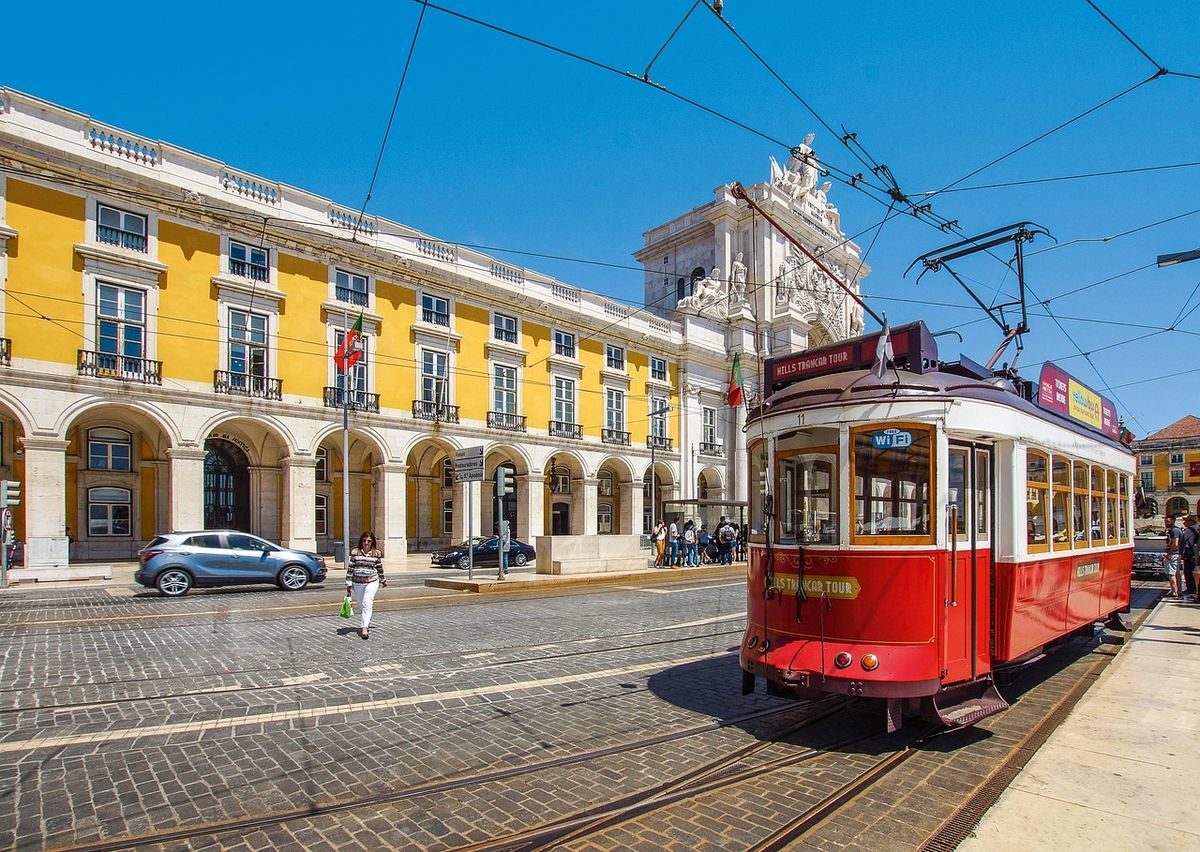
The second day belongs to classic Lisbon. Tram 28 carries you through Alfama, the oldest neighbourhood, with its tangled alleys and the Castelo de São Jorge up on the hill. The historic yellow tram clears ancient stone walls by centimetres, which is half the fun and half the reason it gets so packed. Ride it early, before 8am, or after 7pm, and buy a 24-hour transport ticket or Zapping credit at any metro station beforehand rather than paying on board. Keep a hand on your bag; the line is a known pickpocket spot. From the miradouros, the city's viewpoints, you look out over the rooftops down to the Tejo.
Belém in the west is worth a half day on its own. The Mosteiro dos Jerónimos is the headline, and the original pastéis de Belém come from the bakery next door, where the queue outside hides a hall with more than a thousand seats inside, so the wait is usually shorter than it looks. The 728 bus runs there directly if you're based on the eastern side.
If you're after sun and water instead, take the train towards Cascais or head to Costa da Caparica south of the river. Caparica has a long sandy beach, and one stretch of it, around the Praia 19 area reached by the little summer mini-train, has drawn queer visitors for years. The trip out takes a while, so the beach suits a relaxed afternoon better than a packed schedule.
Evening is for the bars. The options spread mainly across Príncipe Real and Bairro Alto, from small cocktail spots to louder places with a dance floor. For which addresses are worth it right now, check the regularly updated Gay Bars in Lisbon. One thing to plan around: Lisbon nightlife starts late. Bars warm up from around 11pm, and the bigger clubs don't really fill until 2am, so an early dinner and a slow build is the way to pace it.
Day 3: Market, sea and one last look
Keep the final day deliberately open. Touristy as it is, the Time Out Market in the hall at Cais do Sodré works well for a late breakfast or lunch, with dozens of stalls under one roof. From there it's only a few minutes on foot back towards the centre or out to the riverside promenade along the Tejo.
If there's still time, a day trip to Sintra with its palaces and gardens in the hills is worth it. The train from Rossio station takes just under 40 minutes. Sintra gets crowded on warm days, so set off early and buy any palace tickets online in advance.
A few practical notes to finish
Portugal is genuinely queer-friendly. Same-sex marriage has been legal since 2010, and in the neighbourhoods above, holding hands barely draws a glance. In quieter residential areas or out in the countryside it can feel different, where the usual common sense helps. Spring and early autumn are the best times to visit: warm but not too hot, and the city is less crowded. For getting around, a day pass for metro and tram usually does the job, though much of the centre you can simply walk anyway.
Lisbon's hills are real, so pack shoes that grip on worn cobbles and pace the climbs. If you want to dig deeper into where to stay, go out and connect, the Gay Lisbon Guide has more on neighbourhoods, and the Gay Madrid in 3 Days guide pairs well if you're stringing two Iberian cities into one trip.