

Rom · Hotspot
Sehenswürdigkeiten in Rom
The key addresses in Rom — verified and regularly updated. Clicking takes you straight to the location page.
12 entries

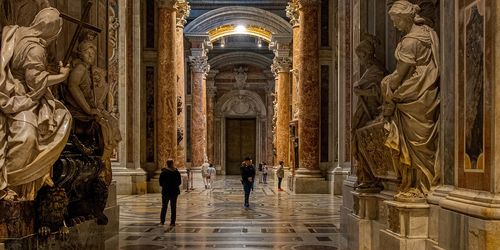
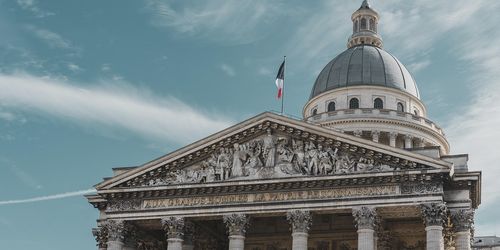
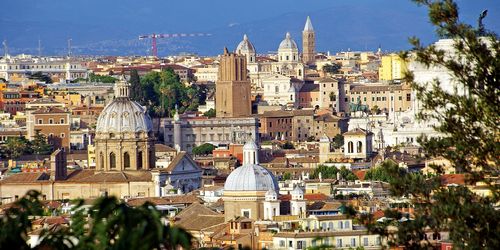
Santa Maria Maggiore
Sight
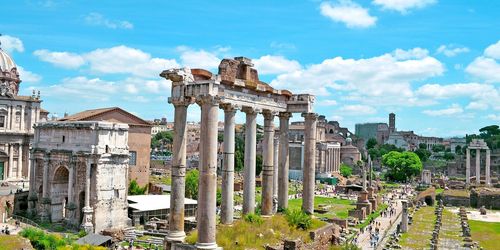
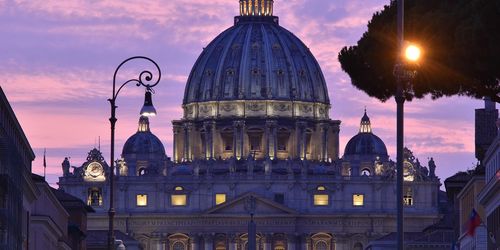
one of Rome's four papal basilicas and one of the seven pilgrimage churches
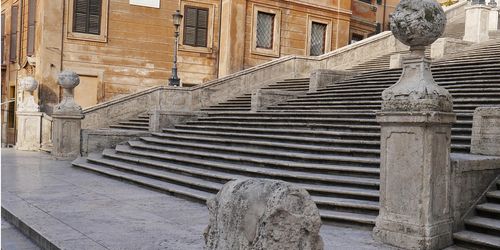
Spanische Treppe
Sight
The elegant staircase connects Piazza di Spagna with the Trinità dei Monti church and is one of Rome's most popular meeting places. All around, the luxury boutiques of Via dei Condotti beckon.

Trevi-Brunnen
Sight
The most magnificent baroque fountain in the world. Throw a coin over your right shoulder, and legend has it that you're guaranteed to return to Rome. Especially in the evening, when it is illuminated, a dream motif.
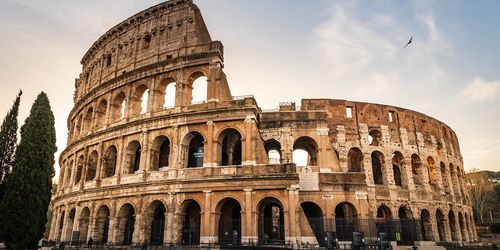
Gay attractions in Rome combine queer life with the city's ancient heritage in a small space. The starting point is Gay Street on Via San Giovanni in Laterano, which leads directly to the east side of the Colosseum. This area has been a meeting place for the scene since the 1960s, and since 2007 it has officially been called Gay Street. From here, it is only a few steps to the Colosseum, the Roman Forum and the Palatine Hill, so you can combine the scene and the great classics of antiquity in one walk.
Italy has a harder time with some LGBT rights than other Western European countries, but Rome itself is open as a big city and relaxed in everyday life. The highlight of the queer year is Roma Pride: in 2026, the parade will move from Piazza della Repubblica through the historic center, past the Colosseum to Piazza Venezia, on June 20 and, with hundreds of thousands of participants, is one of the largest in Italy. In the run-up to the event, there will be a cultural programme lasting several weeks. If you want to get to know Rome beyond the postcard motifs, you will find your own approach to the queer life of the city. The following places and events will take you to the most important stations.