Image: (pixabay)
Chueca is the relaxed, self-assured heart of gay Madrid: bars, drag, Europe's biggest Pride and easy day trips. Here is how to plan it.
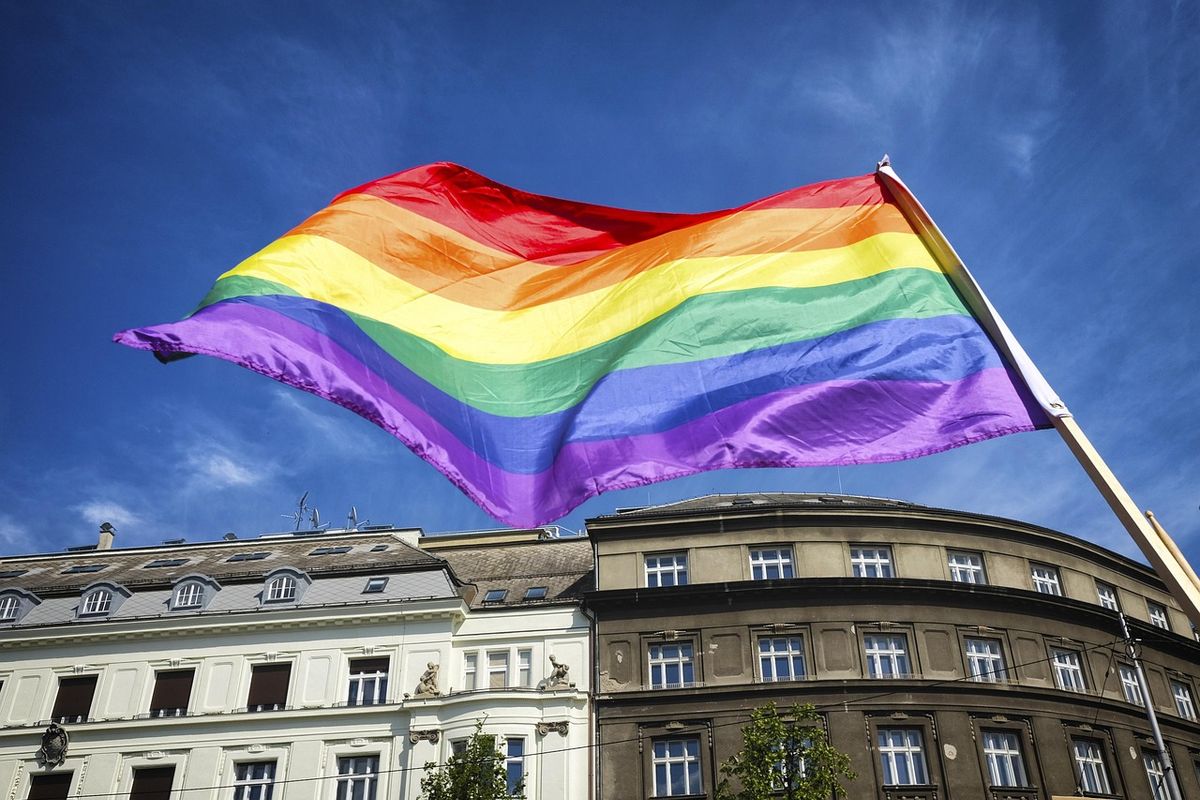
Few European capitals carry their queer side as casually as Madrid. The city has a whole neighbourhood of its own in Chueca, where the rainbow flag is less a statement than simply part of the furniture. Cafés and concept stores fill the daytime, and a scene that only really wakes up after midnight takes over by night. Here is how to find your feet in queer Madrid.
Chueca: the heart of gay Madrid
Everything radiates out from Plaza de Chueca, a small central square that works as the living room of the scene. The Chueca metro stop sits right on it (Line 5), and from there a handful of streets fan out, with bars, cafés and queer-owned shops in almost every one. Calle Pelayo is the going-out street, while Calle Fuencarral is the fashion and shopping axis running south. One block over, Plaza de Pedro Zerolo is where the official Pride programme kicks off each year, named after the activist who pushed Spain towards marriage equality.
What makes Chueca special is that it never feels like a tourist set piece. The whole barrio is compact enough to cross on foot in about ten minutes, yet it is a real neighbourhood where people live, work and go out. The scene has been rooted here since the 1980s, when cheap rents drew the community that was finding its voice in post-Franco Spain. Buildings were renovated, bars opened, and by the mid-1990s Chueca had turned into one of the city's most sought-after addresses. Decades on, it feels relaxed and self-assured. Nobody asks you to explain yourself; you are just there.
Bars and clubs: the night starts late
Madrid runs on its own clock. Little happens in the clubs before midnight, but the nights stretch well into the morning. Coming from northern Europe, plan your evening accordingly and start late on purpose. Have one round in a quieter bar first, then move on once the city wakes up. If you want help reading the rhythm of an unfamiliar scene, our guide to finding the scene in a new city covers the basics that apply here too.
- Cabaret and drag: Drag shows are a fixed part of the Chueca night. Calle Pelayo and the streets around it are lined with stages where local performers appear most evenings.
- Dancing until dawn: The larger clubs play everything from pop and house to Latin sounds, and the crowd is mixed and open.
- Bear and leather scene: On the western edge of Chueca you will find bars for the bear and fetish community, rougher around the edges and unpretentious.
- Warming up: Cocktail bars around Plaza de Chueca are ideal for a first drink before the night moves on.
MADO: Madrid Pride
Madrid Orgullo, known as MADO, is the largest Pride in Europe, drawing well over two million people each year. The city hosted WorldPride in 2017, and the annual edition has been a heavyweight ever since. Across roughly ten days the celebrations spread stages, concerts and parties through the whole neighbourhood and much of the city centre. In 2026 the dates run from 25 June to 5 July.
The headline event is the big parade, which moves through the centre from Atocha up to Plaza de Colón; in 2026 it falls on Saturday 4 July. A second classic is the high-heel race on Calle Pelayo, run on 2 July, where competitors sprint in stilettos through heats and a final. Much of the programme is free to attend, which keeps MADO genuinely open to everyone. Book your accommodation early, because the city fills up fast. If Madrid is one stop on a longer summer, our Europe Pride calendar helps you line up the dates without clashes.
Best time to go
Madrid works all year round, but the season changes the experience a great deal. High summer in July and August is hot, often above thirty degrees, and many locals leave town. Anyone coming for MADO in early July happily puts up with the heat.
For sightseeing, spring and autumn are more comfortable. In May, June, September and October the weather is mild, the terraces are full, and the city is easy to explore on foot. Winter is cool but sunny and noticeably quieter, ideal if you want to combine museums and nightlife without the crowds. The best time to travel guide breaks down how to weigh climate, prices and the scene season against each other.
Where to stay
To be in the thick of it, stay in Chueca itself or the adjoining Justicia neighbourhood. The bars, cafés and the whole scene are walkable, and after a long night your bed is only minutes away. The location comes at a price and can be loud at weekends, but you are always right in the middle.
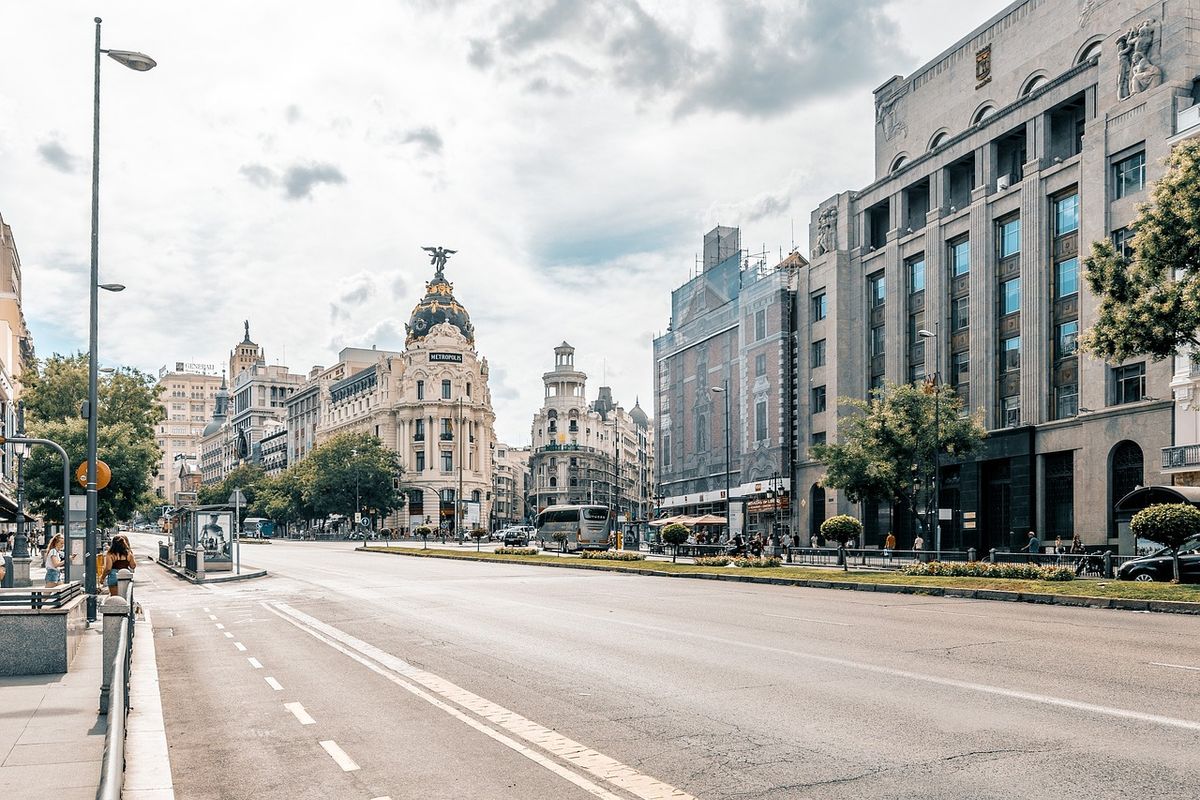
If you prefer something calmer while staying central, the neighbouring Centro district around Gran Vía and Sol is a solid alternative. Chueca is a few minutes away and you are also close to the major sights. The metro network is dense, so even from further out you can reach anything quickly. When you compare options, it is worth knowing how to spot genuinely gay-friendly hotels rather than relying on a rainbow sticker in the lobby.
Day trips from Madrid
Madrid sits at the centre of the country, and some of Spain's finest cities are a single day trip away. Toledo, to the south and perched above the Tagus, is known as the city of three cultures and is roughly half an hour away by high-speed train. Segovia, to the north, impresses with its Roman aqueduct and its fairytale Alcázar. Smaller and quieter is Chinchón to the south-east, famous for its oval Plaza Mayor and its local anise liqueur.
These trips make a good breather from the city buzz, perfect for the day after a long night out. If you would rather pair Madrid with another scene altogether, gay Barcelona and Sitges are an easy onward leg by train, and the wider gay travel hotspots overview points you to more cities worth building a trip around.