Image: (pixabay)
From the warm dunes of Maspalomas to the party sands of Mykonos: an honest guide to Europe's best gay beaches, which mood each one fits, and when to go.
A long stretch of sand where nobody raises an eyebrow at who you came with: that is the promise of the best gay beaches in Europe. From the dunes of Gran Canaria to the historic shores of Sitges and the party coves of Mykonos, each one has its own character, from quiet nature spots to loud beach parties. This guide gives you an honest overview of which beach fits which mood, how to get there, and when it pays off to go.
Maspalomas, Gran Canaria: dunes meet the Atlantic
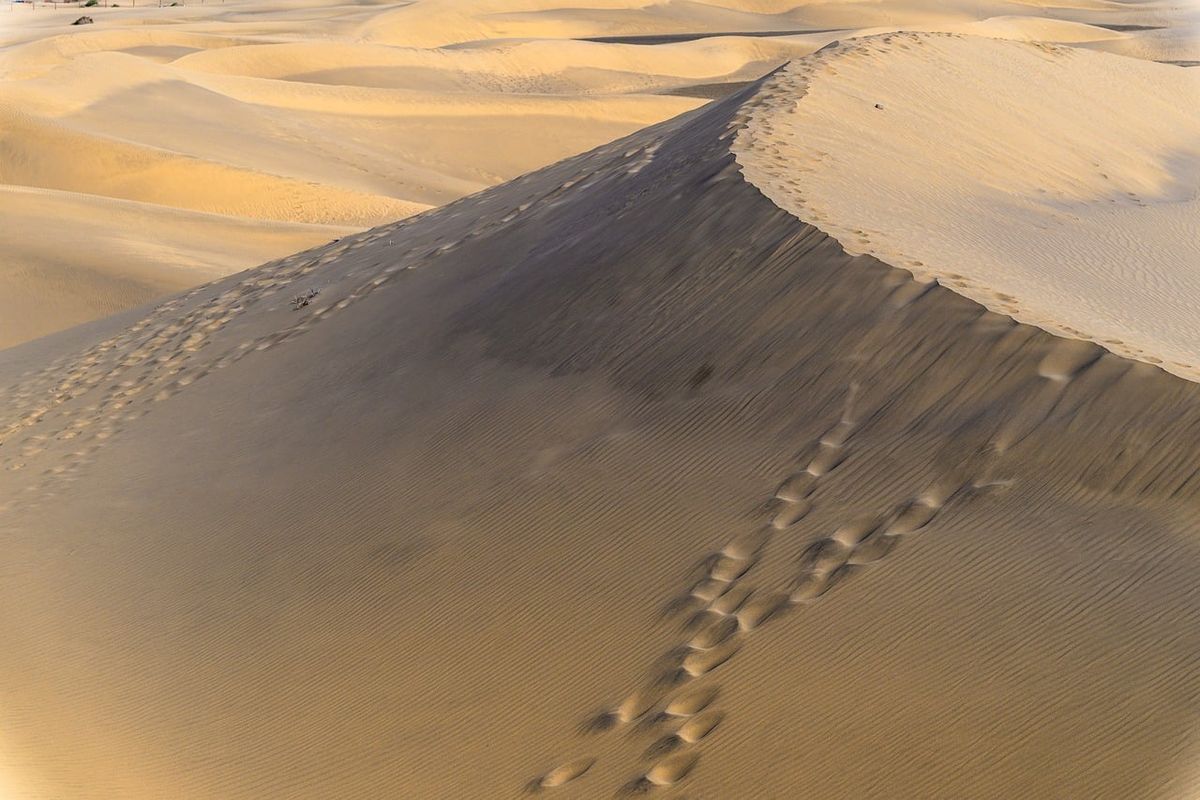
The golden dunes of Maspalomas roll all the way down to the Atlantic and frame one of Spain's best-known gay beaches. At the heart of it sits the famous beach kiosk number 7, the social hub of the gay scene on the sand. It serves cheap snacks and cold drinks, and you can rent a sunbed for a few euros for the whole day.
The stretch around kiosk 7 is clothing-optional and draws an international, mostly male crowd. Want quiet? Walk a little deeper into the dunes and the noise fades fast. The real advantage here is the climate: Gran Canaria stays warm year-round, so this beach works even in the European winter. If you are weighing up an off-season trip, our look at why Maspalomas works all year round goes into the detail.
Es Cavallet, Ibiza: the classic in the salt flats
Es Cavallet lies on the southern tip of Ibiza inside the Ses Salines nature park, and it is the island's officially designated gay beach. A long, pale ribbon of sand with a clothing-optional gay section at the far end. Because it sits inside a protected area, it has stayed remarkably natural rather than being built over with concrete.
The social anchor is Chiringay, a beach bar that has served drinks and Mediterranean food for over three decades. Calm during the day, livelier from late afternoon onward. If you are on Ibiza for the island itself, Es Cavallet is the sun-soaked, slower counterpart to the nightlife. For a full picture of the island beyond the beach, see our three-day Ibiza itinerary.
Sitges: a town beach with history
Sitges, just south of Barcelona, has been a queer comfort zone for decades, and the beaches reflect that. Several stretches sit right against the town, all within walking distance. A little further out, tucked behind the cliffs, you will find Playa del Muerto, a clothing-optional beach with one of the longest gay histories in the world, going back to the 1930s. The walk down is a bit of a scramble, which keeps it quieter and more personal.
- Town beaches: a few minutes on foot from the centre, ideal for spontaneous days by the water.
- Playa del Muerto: remote, clothing-optional, behind the cliffs, with a small climb to reach it.
Because Sitges pairs so neatly with the city, many people split their trip. Our guide to gay Barcelona and Sitges covers how to combine both in one go.
Mykonos: from Elia to Super Paradise
On Mykonos the gay beach life is spread across the south of the island. Elia is the largest and calmer of the gay beaches, with a clearly queer section on the right-hand side and a nude area behind the rocks. If you want space and a more relaxed pace, this is your spot.
Super Paradise is the opposite end of the spectrum: Europe's most famous gay party beach, with thumping music, DJs and a crowd that comes to be seen. You reach the beaches by bus, taxi or water taxi from Mykonos town. Budget accordingly, because Mykonos in summer is not a cheap place to be. Torn between the Greek party island and the Catalan town? Our Mykonos versus Sitges comparison lays out the trade-offs.
Which beach suits you?
The main difference between these beaches is volume. Want a party and a crowd? Head for Super Paradise on Mykonos or peak-season Gran Canaria. For calm and nature, Es Cavallet and Playa del Muerto are the better fit.
- Party and scene: Super Paradise (Mykonos), Maspalomas kiosk 7 in high season.
- Calm and nature: Es Cavallet (Ibiza), Playa del Muerto (Sitges).
- Warm all year: Maspalomas on Gran Canaria.
- Easy to pair with a city trip: Sitges with Barcelona.
None of these are the only options, either. If you want to look past the European classics, our roundup of gay beaches worldwide stretches from the Caribbean to Asia.
Getting there and the best time to go
Most of these destinations are a short flight plus a transfer away. Gran Canaria and Ibiza have their own airports, Sitges is an easy train ride from Barcelona airport, and Mykonos is connected by its island airport or by ferry. Once you arrive, you usually reach the beaches by bus, taxi or on foot.
The main season runs from June to September, when the beaches are fullest and the scene most active. For milder, calmer days, travel at the shoulder of the season in May or October. Gran Canaria is the one destination that stays a reliable choice through the winter too. Before you book, it is worth knowing the unwritten rules of the clothing-optional sections, which we cover in our piece on nudist and gay beach etiquette.