Image: (pixabay)
PrEP access depends heavily on where you travel. Here is how to carry, refill and clear customs with your HIV prevention meds, from oral pills to the newer injectables.
Sorting out PrEP access before a trip saves you a lot of stress later. Whether you can refill at a local pharmacy, how much you can carry across a border, and whether HIV prevention is even talked about openly all depend on where you go. This guide covers how PrEP access works around the world in practice, so you stay protected while you travel. It is general information for planning, not medical advice.
How access varies around the world
In Western Europe, North America, Australia and parts of Latin America, oral PrEP (the emtricitabine/tenofovir combination) is widely available, often as an affordable generic. Several countries cover it through public health systems for people at higher risk. Across much of Africa and Asia, access is expanding fast through large programmes such as the Global Fund, increasingly including newer long-acting options.
Availability does not always mean a tourist can walk into a pharmacy and buy it. Some countries require a local prescription. Others hand out PrEP only through specialist clinics or national programmes that may not be open to visitors at all.
- Well covered: the EU, UK, US, Canada, Australia, New Zealand, Brazil and Thailand (through big-city clinics).
- Scaling up: many countries in sub-Saharan Africa and Southeast Asia, often via funded programmes rather than open sale.
- Difficult or restrictive: regions with harsh laws against queer people, where even discussing HIV prevention can be sensitive.
If you are still mapping out where to go, our overview of how to read a country's LGBT situation correctly pairs well with this one. Legal climate and health access tend to move together.
Daily pills or the newer injectables
For years PrEP meant a daily tablet, or on-demand dosing around sex. That is still the most common form worldwide and the easiest to pack. Two long-acting injectables have changed the picture, though, and they matter for travel because they shift how often you need a clinic.
Cabotegravir (sold as Apretude) is given as an injection every two months by a health professional. Lenacapavir, approved by the US FDA in mid-2025 and recommended by the WHO the same year, goes a step further: two injections a year. Both are rolling out unevenly. Cabotegravir has marketing authorisation across dozens of countries but limited supply, and affordable generics are not expected before 2027.
The practical takeaway for now: if you are on an injectable, your dosing window may not line up neatly with a long trip, and you cannot simply buy a top-up dose abroad. Plan your next appointment around your travel dates, or talk to your provider about bridging with oral PrEP while you are away.
Bringing your own PrEP
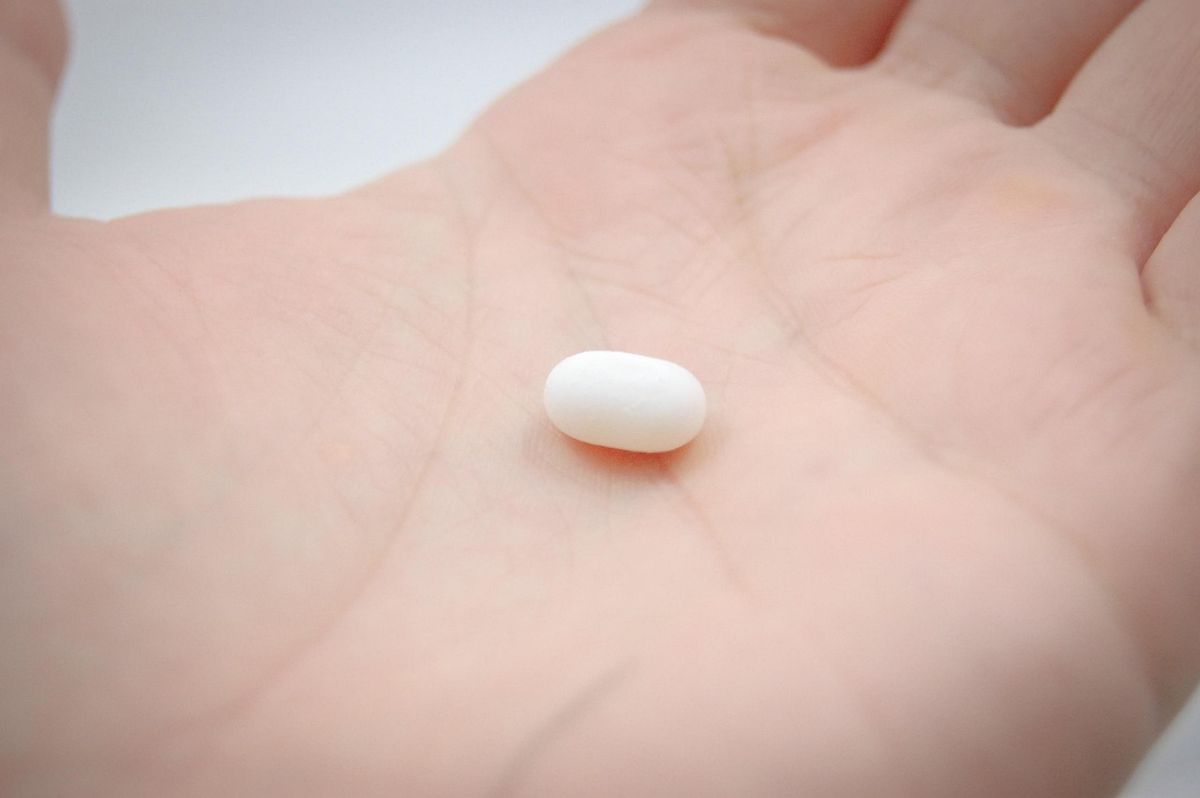
For most shorter trips the simplest option is to pack enough of your own pills from home. Add a buffer in case your return flight slips or a pack goes missing. If you take it daily rather than on demand, bring the full amount plus a few spare days.
Keep the pills in their original labelled packaging and carry them in your hand luggage, not your checked bag. That way they stay within reach and you avoid losing them to delayed baggage. The same logic shows up in our smart packing list for queer trips, where medication gets its own line.
Prescriptions and paperwork
A valid prescription or a short letter from your doctor helps at borders and pharmacies. It is useful if the document lists the generic drug name, not just the brand, because the same medication can be sold under a different name abroad.
- Copy of your prescription: ideally showing the generic drug name.
- Doctor's letter: confirming you take the medication regularly, preferably in English.
- Original packaging: makes it easy to match up during a check.
PrEP rarely raises flags on its own, but the paperwork doubles as backup if your supply is lost or stolen and you need a local clinic to step in.
Customs and import rules
Many countries let you bring in a personal supply, often somewhere in the range of 30 to 90 days, sometimes only if you can show a prescription. Others treat certain medicines more strictly. When you are unsure, check with the destination country's embassy before you go, and factor in any layovers where you leave the airport.
PrEP is not a controlled narcotic in most places, but the usual import rules for prescription medicines still apply. A quick check beforehand spares you an awkward conversation at the airport. If your route crosses a border on land or you are passing through a transit country with strict entry checks, our notes on border control as a queer person are worth a read.
Running low while you are away
Plans change, trips stretch, and sometimes you need a refill on the road. Look for an HIV-focused practice or sexual health clinic locally; many large cities have one, and they are used to travellers turning up. A clinic can also confirm whether buying PrEP locally is even an option for non-residents.
Stocking up through international online pharmacies is another route some travellers take for longer stays. That can be legal and reputable, but there are also shady sellers offering counterfeit products. Look for transparent shipping, a genuine prescription requirement and a clearly stated company location. Ordering something legally does not guarantee it clears customs at your destination without issues, so weigh that against simply packing your own.
PrEP is one piece of staying well on the road. Testing, vaccines and what to do after a risky encounter all matter too, which is why it sits alongside our broader guide to sexual health when travelling and the wider gay travel hotspots hub for destination-specific planning.