Image: (pixabay)
Three days in gay Bangkok: Silom's nightlife, the temples and river, Chatuchak market, plus practical tips on getting around, the best season and entry rules.
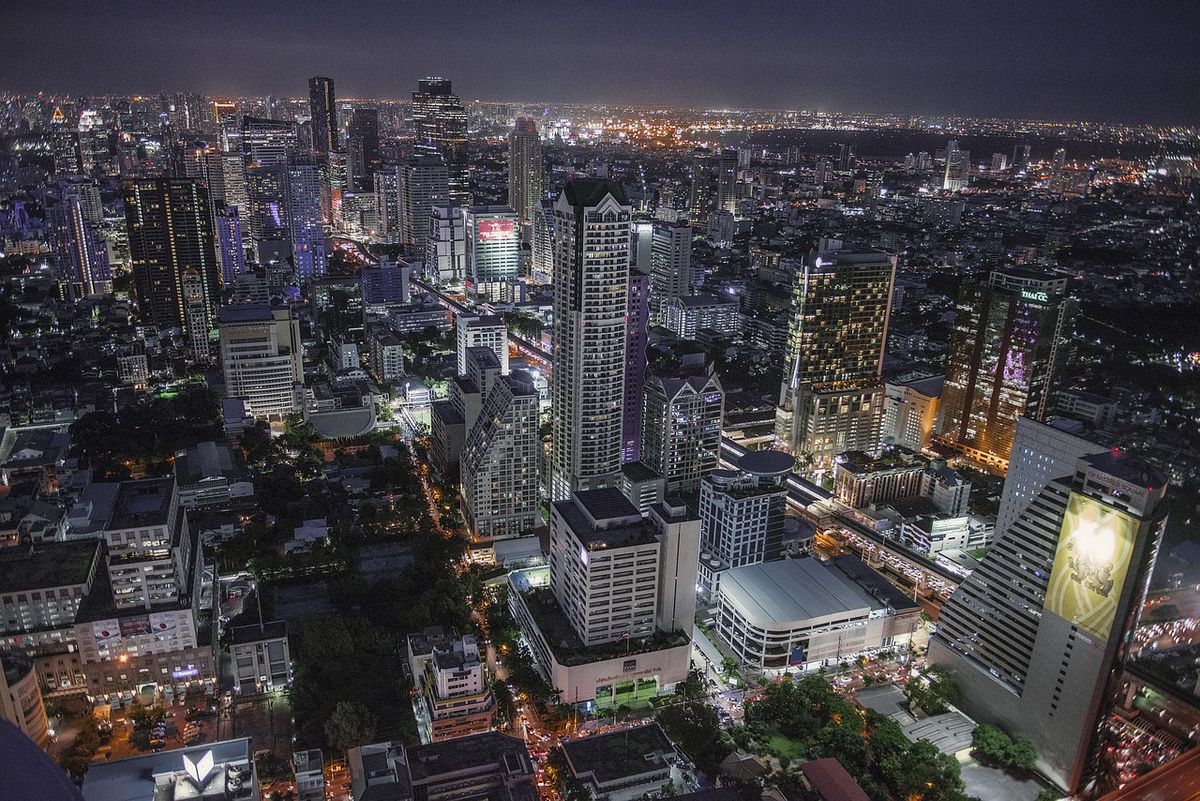
Among Southeast Asia's travel hubs, Bangkok is one of the gentlest landings for queer visitors. The city is big, loud and never quite still, yet you find your feet fast. With only a long weekend, lean into two or three neighbourhoods instead of sprinting across the whole metropolis. Spread over three days, this plan separates the scene, the sights and a few slow hours so they actually hold together. For a fuller overview with addresses and opening hours, read our Gay Bangkok guide to Silom, nightlife and safety.
Day 1: Arrival and Silom
The heart of the gay scene sits around Silom Soi 2 and Silom Soi 4, two narrow side lanes in the Silom business district. By day the area looks ordinary. Come evening, the bars and open-air tables fill up. Getting there is easy: the BTS Skytrain stops at Sala Daeng, the MRT subway at Silom, both air-conditioned and far quicker than a taxi crawling through traffic.
For the first evening, a relaxed wander through Soi 2 and Soi 4 is plenty. Tourists and locals mix here, prices stay moderate and nobody needs to dress up. Don't pack the first day too tightly. Jet lag from Central Europe runs five to six hours and tends to land in the evening, right when you'd otherwise be heading out. If you're still deciding where to base yourself, our notes on spotting genuinely gay-friendly hotels help you read past the marketing.
Day 2: Temples, river and nightlife
Day two is for the classic Bangkok. The Grand Palace and Wat Pho, home of the reclining Buddha, sit close together by the Chao Phraya river. Start early, while the morning is still bearable and the tour groups haven't arrived. Temples come with a dress code: shoulders and knees covered, or you won't get in.
From the pier, the public Chao Phraya Express Boat carries you across cheaply and without traffic, for instance over to Wat Arun. An afternoon stop at one of the big malls around Siam works well when the humidity gets heavy and you want an hour of air conditioning. Then it's back to Silom for the evening. The bars on Soi 4 often open with a drag or cabaret show, and the clubs only fill up late, usually well after midnight. Saunas and massage studios form their own corner of the scene and sit a little off the main lanes. Pace yourself across the night rather than trying to see everything; our guide to finding the scene in a new city has a few habits worth borrowing here.
Day 3: Market, pool and farewell
The third day suits a change of pace. Up north, the huge Chatuchak weekend market opens on Saturdays and Sundays, with almost everything from clothes to street food across thousands of stalls. During the week the market is closed, so a quiet morning by the pool or in a café makes more sense instead. A late lunch somewhere near the river rounds things off, and you can stretch a final afternoon over a long iced coffee without watching the clock.
Staying central and close to the scene saves long journeys: you slip into the nightlife more easily in the evening and get back without a fuss in the morning. For the last evening, a relaxed bar in Silom is often enough before the airport run the next day. Leave plenty of time for the trip. Depending on traffic, the route from the centre to Suvarnabhumi can easily take an hour or more.
Practical notes
Thailand is open towards queer travellers, and couples holding hands barely draw a glance in Bangkok. The country also passed marriage equality, with the law taking effect in January 2025, the first in Southeast Asia to do so. A little restraint still suits religious sites and the quieter neighbourhoods away from the tourist core, which has more to do with general courtesy than with prejudice. The best window to visit falls between November and February, when it's drier and not quite so hot. March to May gets very warm, and the rainy season runs from roughly June to October.
Cash in baht is handy day to day, since many small shops and food stalls don't take cards. Taxis should switch on the meter; otherwise ride-hailing apps work reliably and without haggling. For a tourist stay, German citizens need no visa in advance and may remain for up to 60 days, though the passport still has to be valid for at least six months. If you want to stay longer or need the details, check the current entry rules before you fly, and our overview of finding the best time to travel helps line up climate, prices and scene season. Planning to add another stop? Compare destinations on the city trips hub.