Image: (pixabay)
From offline maps to dating apps used with care: the apps and tools that make queer travel safer and more spontaneous, with an honest eye on data privacy abroad.
The right smartphone setup makes queer travel calmer, safer and more spontaneous. One app points you to the good café two streets over, another translates a menu when nobody behind the counter speaks your language, a third helps you find people who actually know the local scene. This guide sorts the tools that earn a spot on your phone by what they do for you, and it keeps an eye on the data privacy that matters most once you're away from home.
Navigation: never get properly lost
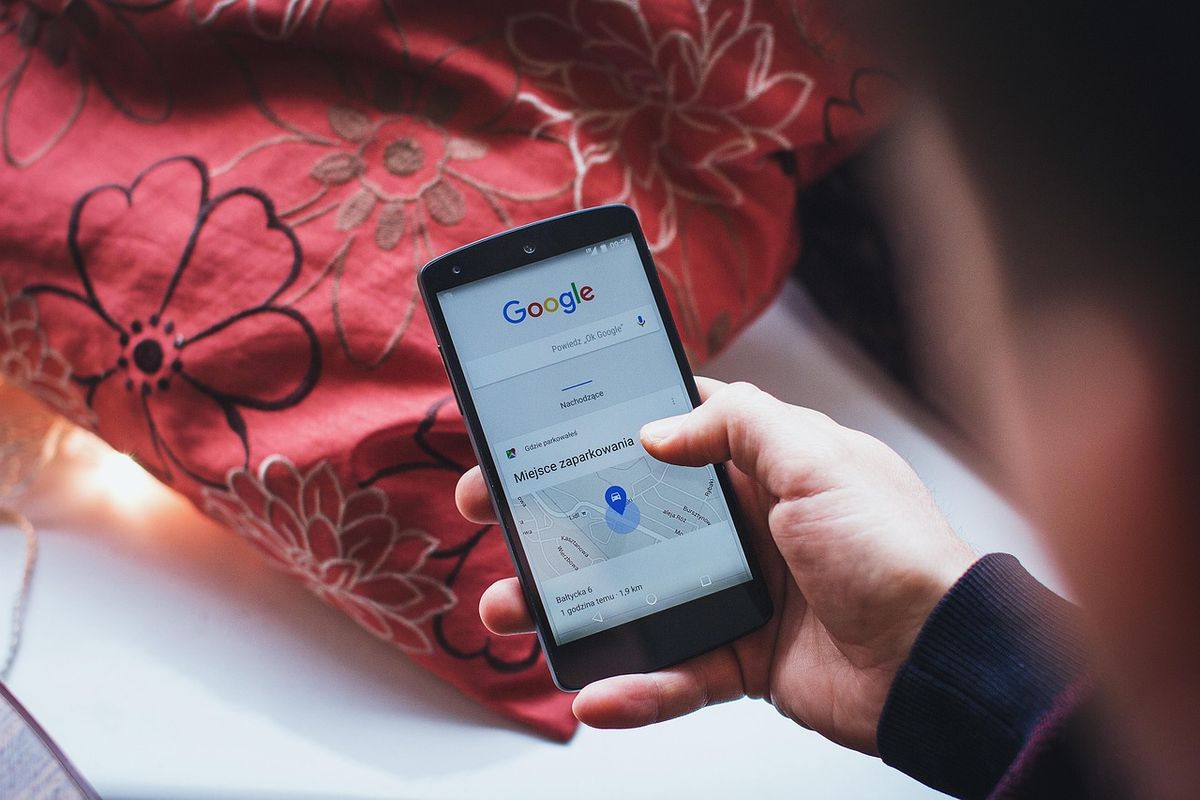
Map apps are the backbone of any trip. Google Maps, Apple Maps and the more privacy-minded OpenStreetMap apps (Organic Maps and OsmAnd are the usual picks) all give you routes, opening hours and reviews. The trick most people forget: download the offline map of your destination before you leave Wi-Fi. Navigation then keeps working in a dead zone, in the metro, or when you'd rather not burn through roaming data.
Build your own lists while you're at it. Save the cafés, meeting spots and bars you've spotted in the scene district as favourites, and your personal map is ready before you land. No re-searching the same place three times. If you're still deciding where to point all this prep, our overview of finding the scene in a new city pairs well with a folder of saved pins.
- Download offline maps for the whole region before you depart.
- Add the local transit app for tickets and timetables — most big cities have an official one.
- Keep your own favourites lists so your hotspots travel with you.
Community and dating, used with care
Grindr, Hornet, HER and Scruff do two jobs at once. They're there for flirting, obviously, but in a city you don't know they're also one of the fastest ways to get a real tip from someone who lives there. Ask where the good Friday night is and a local will usually tell you faster than any listings site.
Caution belongs here too. In a number of countries these apps are monitored, and in some they've been used deliberately to track down queer people. A shared location, a recognisable face photo, an open profile — each one makes you easier to identify. Think through how much you put out there before a trip, and whether you want the app live on your phone at all in a given region. Our guide to reading a country's LGBT safety situation is worth a read before you decide.
- Reduce location accuracy or switch the feature off entirely where it counts.
- Keep your profile low-key with fewer identifying photos and details in sensitive regions.
- Meet in public first and let someone know where you'll be.
Translation: getting past the language wall
Google Translate and DeepL pay for themselves the first time you stand in front of a menu you can't read. Both handle small talk, signage and the awkward moment at a pharmacy counter. The camera mode is the underrated feature — point your phone at a sign or a label and the translation lands on top of it.
Download the language packs you'll need ahead of time. Offline translation works without a signal, which helps in regions with patchy coverage and quietly saves you a roaming bill. A handful of saved standard phrases for situations that keep coming up — a taxi, an allergy, a question at reception — smooths out the days even further.
Safety and keeping your trip organised
Some apps lift your safety directly. Important contacts, your embassy's address and the local emergency numbers belong on every travel phone — many countries don't use 112 or 911, so look yours up in advance. Live location sharing with someone you trust gives both of you peace of mind, where it's safe to do that.
For the logistics, an app that bundles bookings, tickets and documents earns its keep. Keep copies of your passport, insurance and travel papers stored securely, ideally encrypted. Lose a wallet or get something stolen and you can still act instead of panicking. If you're working out the wider list of what to bring, our smart packing list for queer trips covers the physical side of the same job.
Planning events and the scene
So nothing good slips past you while you're there, event and listings apps are worth the install. Social platforms, local event calendars and queer community portals show you what's on during your stay, from the warehouse party to the reading to the Pride march itself. The festival overview is a good starting point if your trip is built around a specific date.
Follow the relevant local accounts and groups before you go. You'll pick up the rhythm of the scene, hear about the pop-up nights that never make a guidebook, and occasionally land a tip no listings site carries. A loose overview of the dates you want to catch is usually enough to hang the rest of the trip on.
Data privacy in unsafe countries
Where being queer is legally or socially risky, your phone turns into a sensitive object. Assume devices can be inspected at the border — it happens, and it isn't rare. Calm, deliberate prep protects you far better than improvising under pressure at a checkpoint.
- Remove apps temporarily: uninstall clearly queer apps before entry and reinstall them later.
- Clean up chats: back up sensitive messages and photos beforehand, then clear them off the device.
- Use strong locks: a long passcode rather than face or fingerprint unlock, which can be compelled more easily.
- Disconnect the cloud: pause automatic syncing of sensitive content while you travel.
- Switch on encryption: enable device encryption, and consider a separate, stripped-back travel setup.
Look into the legal situation at your destination before every trip. What's unremarkable in one place can carry real risk in another. Caution isn't fear; it's preparation that lets you relax once you're there. The same logic applies at the airport, which our piece on border control as a queer person goes into in more depth.