Sehenswürdigkeiten in Tokio
The key addresses in Tokio — verified and regularly updated. Clicking takes you straight to the location page.
Meiji-Schrein
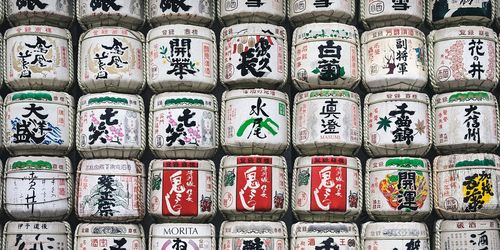
In the middle of an extensive forest area near Harajuku Station lies the Meiji Shrine, dedicated to Emperor Meiji and his wife. As soon as you walk through the mighty wooden torii, you will dive out of the hustle and bustle of the city into a green oasis. With a little luck, you will experience a traditional Shinto wedding here.
Senso-ji-Tempel
Senso-ji in Asakusa is the oldest and most famous temple in Tokyo. The massive Kaminarimon Gate with its giant red lantern will take you to the Nakamise shopping street full of traditional snacks and souvenirs, before the magnificent temple hall opens up in front of you. A must-see for any visit to Tokyo.
Shibuya Crossing
The Shibuya intersection is considered the busiest pedestrian intersection in the world. When the traffic lights switch, hundreds of people stream across the asphalt from all directions at the same time, a hypnotic spectacle. The best view of the organized chaos is from the surrounding cafes and observation decks.
Tokyo Tower
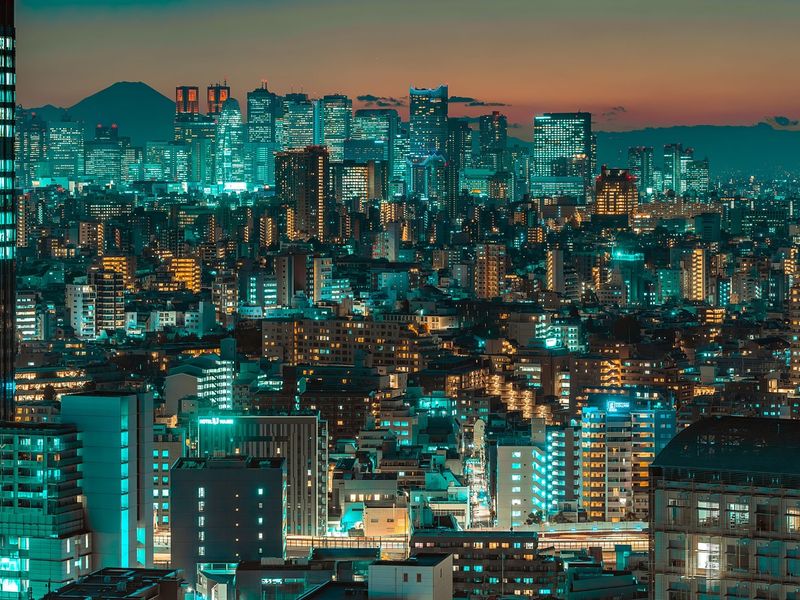
The 333-meter-high Tokyo Tower in the Minato district is modeled on the Eiffel Tower in Paris and glows in warm orange in the evening. From the two viewing platforms you can enjoy a wide view over the endless metropolis, in clear weather even as far as Mount Fuji. A real landmark during the day and at night.
Schwule Sehenswürdigkeiten im klassischen Sinn hat Tokio wenige, dafür lässt sich queere Kultur gut mit den großen Highlights der Stadt verbinden. Das Herz der Szene ist Shinjuku Ni-chome, das größte schwule Viertel Japans. Ein Bummel durch die engen Gassen am Tag zeigt dir, wo das queere Tokio zu Hause ist, auch wenn das Viertel erst abends richtig aufwacht. Drumherum liegt das pulsierende Shinjuku mit Hochhäusern, Parks und Bahnhofstrubel. Schnell erreichbar sind außerdem Shibuya mit seiner berühmten Kreuzung und das ruhige Harajuku.
Höhepunkt des queeren Kalenders ist die Tokyo Pride, früher als Tokyo Rainbow Pride bekannt, die seit 2025 Anfang Juni stattfindet. Im Yoyogi-Park läuft das Festival mit Bühne und Ständen, die Parade zieht über die Strecke von Shibuya nach Harajuku und ist mit Hunderttausenden Teilnehmenden das größte Pride-Event Asiens. Wer mehr über die queere Seite der Stadt erfahren will, hält sich an die Cafés, Bars und kleinen Buchläden in Ni-chome oder erkundet das Viertel einfach zu Fuß. Rechtlich ist Japan weiter zurückhaltend. Eine landesweite Ehe für gleichgeschlechtliche Paare gibt es bislang nicht, einzelne Bezirke Tokios bieten aber Partnerschaftszertifikate an. Die folgenden Orte führen dich zu den Stationen, die einen Besuch lohnen.